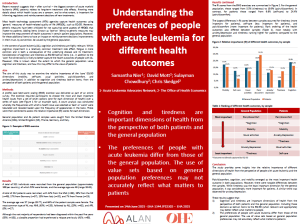
Understanding the preferences of people with acute leukemia for different health outcomes

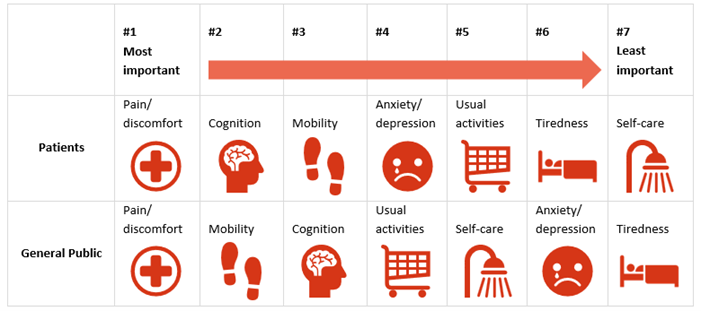
When we want to understand or measure someone’s “health-related quality-of-life”, we typically ask them to describe the problems they have with different aspects of their health. In this study, we wanted to understand which aspects, or “dimensions”, of health-related quality-of-life are most important to the general public and to persons with acute leukemia.

  • What is the health-related quality of life of people with acute leukemia?

  • Which aspects of health-related quality of life matter most to people with acute leukemia?

What does this mean?

Improving care for people with acute leukemia means listening closely to what matters most to patients. This goes beyond controlling the disease, it’s also about recognizing and addressing the hidden symptoms that affect daily life. By capturing these experiences in routine care and research, we can make sure treatment strategies and health policies reflect the patient’s voice.

In everyday care

  • Treat the whole person, not just the disease
    • Pain/discomfort, fatigue, cognition and anxiety/depression should be regularly assessed.
    • Early detection of these problems can guide better support and treatment
  • Focus where patients focus
    • Patients report that tiredness and cognition matter just as much as physical function.
    • Making space to discuss these symptoms in clinic visits ensures patients feel heard.


In treatment and research decisions

  • Value what improves daily life
    • Treatments that control disease, but also reduce fatigue, pain or cognitive difficulties can make a big difference.
    • These benefits may not always be captured if decision rely only on “standard” measures.
  • Tools must evolve to reflect patient voice
    • Adding “bolt-on” questions on cognition and tiredness helps capture what matters most.
    • This ensures future studies and health policy decisions take patient priorities into account.


Full report available : https://acuteleuk.org/publications/

Tanzania / Kenya: Joining forces to raise awareness of blood cancers

The Blood Cancer Foundation of Tanzania (BCFT), a non-governmental organization officially registered on November 1, 2021, with registration number ooNGO/R/2479, works to advocate for improved blood cancer treatment in Tanzania. The foundation’s mission is to advocate for improved healthcare and outcomes for blood cancer patients in Tanzania through advocacy activities.

BCFT has two main objectives:

  1. to promote public awareness about blood cancer diagnosis and treatment, and
  2. to advocate for stakeholder collaboration in research programs and improving access to blood cancer treatments.

To fulfill its mission, BCFT focuses on increasing public awareness of diagnosis and treatment while simultaneously encouraging collaboration among stakeholders in research and access improvement.

Event Summary

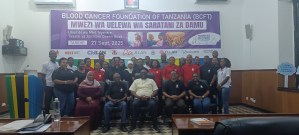
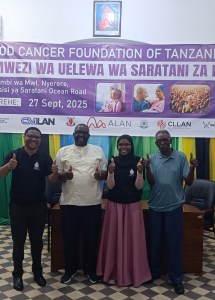
The BCFT observed Blood Cancer Awareness Month (BCAM) by hosting its annual World Leukemia Awareness Month event on Saturday, September 27, 2025, at the Mwalimu Nyerere Hall, Ocean Road Cancer Institute (ORCI) in Dar Es Salaam. The event successfully gathered blood cancer patients, caregivers, clinicians, doctors, hematologists, advocates, and other stakeholders to discuss and raise awareness about the importance of early diagnosis and improved patient outcomes.

The day’s program was specifically designed to strengthen advocacy efforts and serve as a platform for sharing experiences and best practices, focusing on topics of high importance to leukemia patients.

Key Discussions and Highlights

The event featured several impactful sessions, including:

  • The Patient Voice: Survivors offered honest talks about their journeys, sharing challenges such as stigma, cost, distance to care, and emotional burden, alongside their hopes for better care in the future. This was followed by Breaking the News, a segment where Dr. Hamisa and a survivor performed a short role-play on the diagnosis Moment.
  • Patient Rights and Advocacy: Attendees received crucial information on Knowing Your Rights as a Patient—understanding their rights in accessing care, information, and dignity—and the Power of Patient Advocacy—how patient voices influence policy and shape the future of cancer care.
  • Breaking the Stigma Around Blood Cancers: A key session focused on how to challenge myths, stigma, and misconceptions that often silence patients.
  • Living Well with Blood Cancer: This session provided practical information on coping strategies, mental health, nutrition, and lifestyle tips for patients and caregivers.

Guest of Honor’s Message

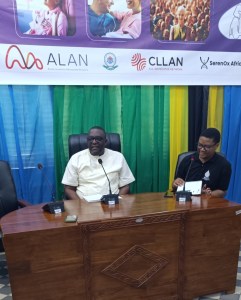
Elo Mapelu, Chairperson of Henzo, Kenya, and a steering committee member of the Acute Leukemia Advocates Network (ALAN), was the Guest of Honor. Mr. Mapelu was also a panelist on The Power of Patient Advocacy, sharing his experience as a founding member of Henzo Kenya and growing it into a large organization with global partners. He encouraged BCFT to continue building impact in the blood cancer advocacy community and specifically urged the foundation to seek partnership with Henzo Kenya to unite patient voices across the entire East Africa Region.

Mr. Mapelu, who also works as a program coordinator at The Max Foundation, pledged his support to BCFT, encouraging them to bring all patients together and commending the organization for maintaining a good working relationship with the healthcare team.

There was further discussion on challenges such as travelling to the hospital; patients often have to travel significant distances to the capital for treatment. This contributes to high transport costs, making instances of patients skipping clinic visits quite common. Another challenge is stigma; There’s a deep issue with stigma fueled by myths and misconceptions that leukemia is caused by witchcraft, sadly leading some patients to abandon treatment altogether. It was noted that there is need to have more advocates. Having more leukemia patients step forward to speak openly about their treatment journeys would greatly help address this.

The program concluded by recognizing The Heroes—the sacrifices of caregivers and medical personnel— and included a recognition of Halima, an 18-year-old Acute Leukemia patient who overcame deep family stigma and rejection after being diagnosed at age 13. She is going on with her treatment and living her best possible life.

Testimony on BPDCN

Dear Friends & Supporters,


We want to take a moment to share Elijah’s story and shed light on a rare and aggressive blood cancer called BPDCN (Blastic Plasmacytoid Dendritic Cell Neoplasm).

Elijah is a brave 13-year-old boy from Connecticut who became the first known pediatric case of BPDCN at Connecticut Children’s Medical Center and the first in the entire state of Connecticut. His diagnosis was shocking and overwhelming, as BPDCN is so rare that most doctors never see a case in their lifetime.

Despite the challenges, Elijah has faced this battle with faith, courage, and an unshakable smile. From countless hospital stays, chemotherapy, and surgeries, Elijah continues to inspire all of us with his strength.

What is BPDCN?

BPDCN is an extremely rare and aggressive blood cancer that affects the bone marrow and skin. It represents less than 1% of all blood cancers, which makes research and awareness critically important. Because it is so rare, there is very little funding and limited treatment options available.

Why Elijah’s Story Matters

Elijah’s journey shines a light on the need for:

  • More research funding for BPDCN and rare pediatric cancers.
  • Awareness campaigns so no child or family feels alone in this fight.
  • Support networks that help parents navigate through the unknown.


How You Can Help

  • Spread Awareness – Share Elijah’s story to help educate others about BPDCN.
  • Join Elijah’s Entourage – Be part of our mission to provide love, hope, and resources to families facing childhood cancer.
  • Donate or Partner – Your support helps fund awareness campaigns, family support, and advocacy for rare cancer research.


Every hug, every share, and every act of kindness brings us closer to making a difference. Together, we can change the world—one hug at a time. 💛

With gratitude,

Carl & Aurora Randolph & Elijah’s Entourage

“Simon Says: Give Me a Hug” 🤗

📌 https://www.facebook.com/share/19htc89NkF/ https://gofund.me/9aa261c56

Toolkit for patients and physicians released !

The Acute Leukemia Advocates Network (ALAN) partnered with Picker to develop a new toolkit designed to support patients, advocacy organisations, and healthcare professionals.


The toolkit includes:

  • Practical tools for patients, like wellbeing trackers to support their care journey
  • A physician checklist to help deliver person centred care for people diagnosed with acute leukemia and their caregivers
  • Insights into patient experience, including emotional, financial, and treatment-related challenges


🔗Click here to find out more about the toolkit: acuteleuk.org/downloads/infog/?2746

(all materials are editable and can be translated).

We would like to thank all patients and carers who took time to participate in our study ! It would not have been possible without you ! 

Global Leukemia Survey : what did we learn ?

In 2021 and 2022, we run a global leukemia survey asking patients and their carers a lot of questions around their diagnosis, treatments, experiences and quality of life (QoL). This survey has been the largest study ever done in leukemia. 

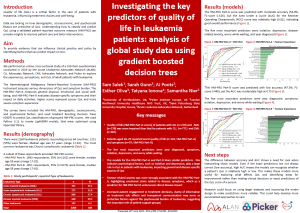
Disease-specific factors associated with decreased QoL in patients with leukemia have not been studied in a large-scale, global, observational study. Patients reported the greatest concerns over their future treatment and future health, as well as concerns over dying and being a burden to others.

Patients need access to support services, such as the availability of a clinical psychologist as part of the hematology team, to provide support with the emotional aspects of a leukemia diagnosis, especially for patients with acute leukemia subtypes reporting the lowest mean QoL scores.

In addition, leukemia patients require comprehensive care, including treatment, hospital visits, and family support. An awareness of the impact of leukemia on family members is crucial.

Read more: 

Assessment of impact of demographics, information provision and involvement in treatment decision on leukaemia patients QoL-primary analysis of global study data

Disease and treatment burden in patients with leukaemia family members partner perspective


Patient Involvement in Health Technology Assessments: Lessons for EU Joint Clinical Assessments

Patient involvement in health technology assessment (HTA) processes is increasingly recognized as pivotal for informed, equitable, and patient-relevant health care decision-making.

With the implementation of Joint Scientific Consultations (JSCs) and Joint Clinical Assessments (JCAs) under Regulation (EU) 2021/2282, the European Union has a unique opportunity to design harmonized mechanisms that reflect best practices from established HTA systems.

This article, drawing on the Acute Leukemia Advocates Network (ALAN)’s comparative analysis of HTA practices across seven countries (Canada, England, Scotland, France, Germany, Spain, and Italy), examines how current patient involvement processes can inform the JCA framework. It identifies opportunities to replicate effective practices and proposes strategies to embed patient voices meaningfully into the JCA process.

By prioritizing robust and inclusive patient involvement, the EU can establish a global benchmark for impactful and consistent HTA processes. By leveraging lessons from international HTA systems and prioritizing clear frameworks, early involvement, and capacity building, the EU can set a global standard for meaningful patient participation in HTA processes.

Patient Involvement in Health Technology Assessments: Lessons for EU Joint Clinical Assessments

Highlights from EHA 2025 – Updates in AML

Updates in AML from the European Hematology Association (EHA) congress 2025

What is venetoclax?

Venetoclax is a targeted cancer medicine used to treat acute myeloid leukemia (AML). It blocks a protein called BCL-2, which helps leukemia cells survive. By turning off this protein, venetoclax helps destroy cancer cells.

It’s often combined with other treatments like azacitidine or decitabine, especially for people who can’t have intensive chemotherapy. This combination can lead to remission (no signs of cancer in the blood or bone marrow) and is usually easier to tolerate than standard treatments.

Below are highlights from the EHA 2025 Annual Meeting, summarizing key findings about the safety and effectiveness of new treatment combinations for people with AML.


New tablet-only treatment combination of decitabine-cedazuridine with venetoclax1

What was the study about?

This early study (phase I/II) tested a new tablet-only treatment combination of decitabine-cedazuridine and venetoclax for people recently diagnosed with AML. The goal was to offer an effective treatment option that people could take at home—reducing the need for regular clinic visits.

Study overview

  • 189 people with AML took part in this study, average age 78 years
  • The people in this study were either aged 75 or older, or had other health conditions that meant they couldn’t safely receive intensive chemotherapy


 Key results

Results are from the phase IIB section of this study, which looks at how well the treatment works after earlier studies have looked at its possible risks and how it behaves in the body. This part of the study included 101 people.

  • 5% of people had little to no signs of cancer in their blood or bone marrow (complete remission)
  • 80% of people stayed in remission for at least 9 months
  • On average people lived for 15.5 months after treatment
  • Of those tested, 55.1% had no signs of cancer with very sensitive tests (called measurable residual disease negative)


Key safety information

The most common side effect from treatment was low levels of blood cells. This was an expected side effect from the treatment.

Other side effects included:

  • 19% of people felt sick
  • 4% had a reduced appetite
  • 7% had constipation


After 1 month, 3% of people died and this increased to 10% by month 2.

What does this study mean for people with AML?

The results of this study are encouraging. About half of people treated had no detectable signs of cancer in their blood or bone marrow after treatment (remission). The side effects were as expected and were considered manageable. While this treatment combination is still being tested and is not available yet, it may offer a more convenient, at-home option for people newly diagnosed with AML, helping to reduce how often they need to visit the clinic.


Bleximenib with venetoclax and azacitidine2

What was this study about?

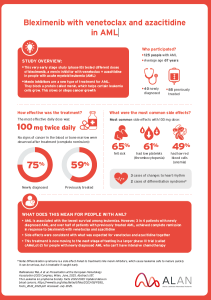
This very early-stage study (phase IB) tested different doses of bleximenib, a type of medicine called a menin inhibitor, combined with venetoclax and azacitidine in people with AML. Menin inhibitors are a new type of treatment being studied for AML. They work by blocking a protein called menin, which helps certain leukemia cells grow. This study also looked at how people with specific genetic changes (called NPM1 mutations or KT2A rearrangements) would respond to treatment.

Study overview

  • 125 people with AML, average age 67 years old
  • 40 had newly-diagnosed AML
  • 85 had previously treated AML that had come back (relapsed) or hadn’t improved with other treatment (refractory)


Key results

  • The most effective dose of bleximenib was 100 mg twice a day
  • Newly diagnosed group: 75% of people had no signs of leukemia in their blood or bone marrow after treatment (complete remission)
  • Previously treated: 59% had no signs of leukemia in their blood or bone marrow after treatment (complete remission)
  • Treatment worked better in people who had never taken venetoclax before compared with those who had used it before (73% had remission, compared with 29% of those who had taken venetoclax previously)
  • The treatment also worked well in people with NPM1 mutations (m) and KMT2A rearrangements (r)
    • For the newly diagnosed group: 75% of both people with KMT2Ar, and NPM1m achieved complete remission (no signs of leukemia in the blood or bone marrow
    • For the previously treated group: 50% of people with KMT2Ar and 67% of people with NPM1m achieved complete remission


Key safety information

The 3 most common side effects with 100 mg dose were:

  • 65% felt sick
  • 61% had low platelets which are involved in blood clotting (thrombocytopenia)
  • 49% had low red blood cells (anemia)

Serious side effects such as changes to heart rhythm (3 cases) and a potentially severe condition called differentiation syndrome (2 cases) were rare.

What does this mean for people with AML?

The study results are positive, with 75% of people with newly diagnosed AML having no signs of cancer after treatment with bleximenib. People who had been treated before also saw a positive result with 60% having no signs of cancer after treatment. The side effects were consistent with what was expected for venetoclax and azacitidine together. As a result, this treatment combination is now moving to a larger phase III trial (called cAMeLot2) for people who are newly diagnosed with AML but can’t have intensive chemotherapy.


Tuspentib with venetoclax and azacitidine3

What was this study about?

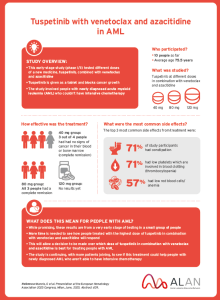
This early-stage study (phase I/II) tested different doses of a new medicine, tuspetinib, combined with venetoclax and azacitidine. Tuspetinib which is given as a tablet, blocks enzymes that help cancer grow. The study involved people with newly diagnosed AML who couldn’t have intensive chemotherapy.

Study overview

  • 10 people have been enrolled on this study so far, average age 75.5 years
  • Tuspetinib doses tested: 120 mg, 80 mg and 40 mg


Key results

  • Effectiveness data is available for 7 people who received the 40 mg and 80 mg doses
  • 80 mg group: All 3 people had no signs of cancer in their blood or bone marrow (complete remission)
  • 40 mg group: 3 out of 4 people had complete remission


Important safety information

The top 3 most common side effects from treatment were:

  • 71% of people had constipation
  • 71% had low platelets which are involved in blood clotting (thrombocytopenia)
  • 57% had low red blood cells/anemia


What does this mean for people with AML?

While promising, these results are from a very early stage of testing in a small group of people. More time is needed to see how people treated with the highest dose of tuspetinib will respond. This will allow a decision to be made over which dose is best for treating people with AML. This treatment combination could provide another option for people who are not able to have intensive chemotherapy.


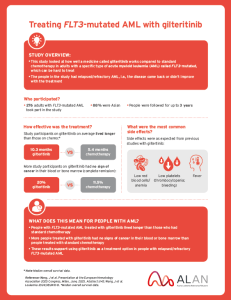
3-year data on treatment of AML with gilteritinib4

What was the study about?

This study evaluated how well gilteritinib works compared to standard chemotherapy in adults with a specific subtype of AML characterized by an FLT3 mutation. FLT3 AML can be harder to treat. The people in the study had previously treated AML that had come back or hadn’t improved with treatment (relapsed/refractory).

Study overview

  • 276 people took part in the study
  • 88% were Asian
  • People were followed for up to 3 years


Key results

  • People who took gilteritinib lived longer than those who got chemotherapy:
    • 3 months on average with gilteritinib vs. 5.4 months for those on chemotherapy (median overall survival)
  • People on gilteritinib also had better responses:
    • 20% on gilteritinib had no signs of cancer in their blood or bone marrow (complete remission) compared with 11.5% on chemotherapy
    • 68% on gilteritinib had their cancer shrink or had no signs of cancer compared with 27% on chemotherapy
  • More people who took gilteritinib (23%) were able to have bone marrow transplants compared with chemotherapy (8%)
  • Nearly half of the people on gilteritinib were able to stop needing blood transfusions


Important safety information

  • Side effects were similar to what was seen previously with giltertinib:
    • Low red blood cells/ anemia
    • Low platelets which are involved in blood clotting (thrombocytopenia)
    • Fever5
  • Gilteritinib was generally well tolerated


What does this mean for people with AML?

In this study of mostly Asian people with FLT3-mutated AML, those treated with gilteritinib lived longer than those who had standard chemotherapy. More people treated with gilteritinib had no signs of cancer in their blood or bone marrow compared with the chemotherapy group. The side effects from treatment with gilteritinib were thought to be manageable. These results support using gilteritinib as a treatment option in people with FLT3-mutated AML that have previously not responded to treatment or whose cancer has returned.


References

  1. Roboz, G et al. Presentation at the EHA 2025 Congress, Milan, June, 2025. Abstract s135.
  2. Wei, A et al. Presentation at the EHA 2025 Congress, Milan, June, 2025. Abstract s137.
  3. Mannis, G et al. Presentation at the EHA 2025 Congress, Milan, June, 2025. Abstract s139.
  4. Wang, J et al. Presentation at the EHA 2025 Congress, Milan, June, 2025. Abstract s143.
  5. Wang J et al. Leukemia 2024;38(11):2410-2418.


Additional data published

Gemtuzumab:

  • Sperr et al., Abstract PB2491; GO-FIRST: Real-World Data of Front Line GO in Intermediate and Favorable Risk AML Patients in a Multicenter Retrospective Chart Review (link)


Bleximinib:

  • Wei et al.; Abstract S137; RP2D DETERMINATION OF BLEXIMENIB IN COMBINATION WITH VEN+AZA: PHASE 1B STUDY IN ND & R/R AML WITH KMT2A/NPM1 ALTERATIONS (link)


Revumenib:

  • Arellano et al:, Abstract  PS1467; PATIENTS WITH RELAPSED OR REFRACTORY (R/R) NUCLEOPHOSMIN 1-MUTATED (NPM1M) ACUTE MYELOID LEUKEMIA (AML): UPDATED RESULTS FROM THE PHASE 2 AUGMENT-101 STUDY (Link)
  • Aldoss et al.; Abstract PS1473; UPDATED RESULTS AND LONGER FOLLOW-UP FROM THE AUGMENT-101 PHASE 2 STUDY OF REVUMENIB IN PATIENTS WITH RELAPSED OR REFRACTORY (R/R) KMT2AR ACUTE LEUKEMIA (Link)
  • Issa et al.; Abstract PS1501; REVUMENIB ACTIVITY IN PATIENTS WITH ACUTE LEUKEMIA WITH NUP98R: RESULTS FROM THE AUGMENT-101 PHASE 1 STUDY (Link)


Quizartinib:

  • The Combination of a FLT3-ITD, NPM1mut and an Epigenetic Regulatory Gene Mutation Confers Unique Sensitivity to Quizartinib: Analysis From the QuANTUM-First Trial (Oral)
  • Trial in Progress: The Phase 3, Randomized, Double-Blind, Placebo[1]Controlled Quantum-Wild Study of Quizartinib in Combination with Chemotherapy and As Single-Agent Maintenance in Newly Diagnosed, FLT3-ITD–Negative Acute Myeloid Leukemia (Publication)
  • Final results of VEN A QUI TRIAL: A phase I-II trial comparing Venetoclax with Low Dose Cytarabine or Azacitidine combined with Quizatinib in non-fit patients with Acute Myeloid Leukemia (Poster)
  • Measurable Minimal Residual Disease by an ultra-sensitive NGS method to evaluate the response in Acute Myeloid leukemia, the VENAQUI clinical trial (Poster)
  • Prognostic significance of clonal monitoring assessed by VAF in unfit newly diagnosed AML: insights from the PETHEMA VEN-A-QUI trial (Poster)
  • Phase I/II Study of Quizartinib, Venetoclax, and Decitabine Triplet Combination in FLT3-ITD Mutated AML (Oral)
  • Multidrug resistance and metabolic reprogramming in FLT3 mutation AML following prolonged FLT3 inhibitor treatment  (Publication only)


Highlights from EHA 2025 – Updates in ALL

Updates in ALL from the European Hematology Association (EHA) congress 2025

Below are highlights from the EHA 2025 Annual Meeting, summarizing key findings about the safety and effectiveness of new treatment combinations for people with acute lymphoblastic leukemia (ALL).


Using treatment schedules for children with ALL in young adults1

What was this study about?

This study looked at whether treatments usually used in children with ALL also work well in young adults (ages 18–40). These treatments are high intensity and include a medicine called asparaginase. Asparaginase removes a protein that leukemia cells need to grow and helps fight the cancer.

Young adults given this ’child-style’ treatment had better results than those who received standard adult treatment. This study followed people for up to 10 years to see how well they continued to do over time.

People with two types of ALL were included in this study, called T-ALL and B-ALL. This study also included people with a subtype of ALL called Ph-like. This type of ALL acts more aggressively and can be harder to treat.

Study overview

  • 295 young adults with ALL were included
  • Average age was 25 years old
  • 25% were younger than 20 years old
  • Body weight: 38% were considered overweight or obese


Key results

  • On average people survived for more than 10 years
  • 56% of people were still alive at 10 years
  • 123 people died on the study, of which 75% were disease-related (23 people died of unrelated causes including car accidents etc.)
  • No one with T-ALL had their disease come back after 3 years (relapse)


Factors affecting survival

Factors that improved chance of survival

  • Measurable residual disease (MRD):
    • Very sensitive test that can find tiny amounts of cancer in the blood or bone marrow
    • If these tests don’t find any cancer (called MRD negative), people had a better chance of living longer (survival at 10 years MRD negative= 83% vs only 40% for MRD positive people)


Factors that reduced chance of survival

  • Body weight: Those who were obese (BMI>40; 27.3% alive after 10 years) did not live as long than those who were within the normal weight range (BMI<30; 63% alive after 10 years)
  • Finishing all treatment: People who finished all their treatment (completed maintenance therapy) had less chance of their cancer coming back (relapsing) than those who did not
  • Subtype: Ph-like ALL had worse survival at 10 years than non-Ph-like ALL (68% alive at 10 years vs 41%, respectively)


What does this mean for people with ALL?

This study shows that young adults with ALL can benefit from intensive treatment plans usually given to children. More than half of the people in this study lived beyond 10 years. This study also highlighted that there were certain factors that increased a patient’s chance of living longer on this treatment plan such as finishing all treatment courses and keeping a healthy weight.  

Blinatumomab for the treatment of Ph negative B-ALL2

What was this study about?

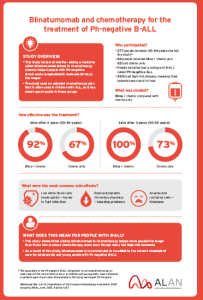
This study looked at whether adding a medicine called blinatumomab to standard chemotherapy could help adult patient with B-cell acute lymphoblastic leukemia (B-ALL) live longer. The people in this study had a specific subtype called Ph-negative B-ALL (which means they do not have a genetic change called the Philadelphia chromosome).

The chemotherapy plan used in this trial was adapted from a treatment often used in children and young adults, as it has shown good results in those groups.

Study overview

  • 277 people between the ages of 30 and 54 took part
  • The average age was 42
  • Over half (52%) had high-risk disease, meaning their leukemia had genetic features that are harder to treat

But not all 277 people were included in the final comparison of blinatumomab vs chemotherapy.

Here’s what happened step by step:

  1. Everyone started with two cycles of chemotherapy
    1. After this, 86% had no visible signs of leukemia in their blood or bone marrow (called a complete response)
  2. People who responded well then received an additional phase of treatment called intensification
  3. After this step, people were tested for MRD (measurable residual disease) – this is a very sensitive test that can find tiny amounts of cancer in the blood or bone marrow
  4. 168 people were eligible to move forward at this point. They were randomly assigned to receive either:
    1. blinatumomab plus chemotherapy (66 people), or
    2. chemotherapy alone (65 people)

(The remaining people did not go on to this phase for reasons such as relapse, side effects, or they left the study.)

Key results for people aged 30–54

  • At 3 years, the percentage of people who were still alive was:
    • 92% in the blinatumomab + chemotherapy group
    • 67% in the chemotherapy-only group
  • People aged 30–39 did particularly well:
    • 100% survived at 3 years with blinatumomab
    • 73% survived with chemotherapy alone
  • People with a high-risk subtype called BCR:ABL1-like also benefited:
    • 3-year survival was 100% with blinatumomab
    • Only 45% with chemotherapy alone
  • Body weight (BMI) did not affect survival outcomes


Important safety information

The most common side effects in the blinatumomab + chemotherapy group included:

  • Low white blood cells (increased risk of infection)
  • Low platelets which are involved in blood clotting (thrombocytopenia)
  • Anemia (low red blood cells, causing fatigue)
  • Some people also experienced neurological side effects such as confusion or headaches


Two people died during treatment due to serious side effects: one due to bleeding in the brain and another due to a heart attack.

What does this study mean for people with ALL?

This study showed that adding blinatumomab to chemotherapy helped more people live longer — even though many had high-risk leukemia. This benefit was seen across different subgroups, including younger adults and people with hard-to-treat genetic features. Because of these results, the combination of blinatumomab should be added to the current standard treatment for adolescents and young adults with Ph-negative B-ALL.

References

  1. Stock, W et al. Presentation at the EHA 2025 Congress, Milan, June, 2025. Abstract s118.
  2. Dinner, S et al. Presentation at the EHA 2025 Congress, Milan, June, 2025. Abstract s110.
Additional data published

Inotuzumab:

  • Stock et al., Abstract S111; Outcomes in Patients With B-Cell Precursor Acute Lymphoblastic Leukemia Receiving Inotuzumab Ozogamicin Stratified by Cumulative Dose (link)
  • Stock et al., Abstract PS1394; Outcomes in Patients With B-Cell Precursor Acute Lymphoblastic Leukemia Receiving Inotuzumab Ozogamicin Stratified by Body Mass Index (link)
  • Marks et al., Abstract PF393; Sinusoidal Obstruction Syndrome and Other Outcomes in Pediatric Patients With Acute Lymphoblastic Leukemia Who Received Inotuzumab Ozogamicin Before Hematopoietic Cell Transplantation (link)
  • Wu et al., Abstract PB2367; Efficacy and Safety of Inotuzumab Ozogamicin in Adult Chinese Patients With Relapsed or Refractory Acute Lymphoblastic Leukemia: Primary Results of an Open-Label, Multi-Center Phase 4 Trial (link)


ClonoSEQ


Highlights from EHA – Infographic gallery

Download your copy and discover the core insights from EHA congress, condensed into a dynamic infographic.

Acute lymphoblastic leukemia (ALL)
  • Blinatumomab and chemotherapy for the treatment of Ph negative B-ALL

ALAN Infographic – Blinatumomab and chemotherapy for the treatment of Ph-negative B-ALL

  • Treating young adulty with a therapy plan used in children with ALL

ALAN Infographic – Treating young adults with a therapy plan used in children with ALL

Acute Myeloid Leukemia (AML) 
  • New tablet-only treatment combination for AML 

ALAN Infographic – New tablet-only treatment combination for AML 

  • Tuspetinib with venetoclax and azacitidine in AML

ALAN Infographic – Tuspetinib with venetoclax and azacitidine in AML

  • Bleximenib with venetoclax and azacitine in AML

ALAN Infographic – Bleximenib with venetoclax and azacitidine in AML

  • Treating FLT3-mutated AML with gilterinib

ALAN Infographic – Treating FLT3-mutated AML with gilteritinib

EHA congress 2025

From 12th to 15th June, ALAN attended the European Hematology Association (EHA) 2025 congress, held in Milan, Italy. Below is a summary of the activities in which ALAN took part, in addition to meeting with our members, sponsors and with the medical community.

EHA congress 2025, by Charles, ALAN Steering Committee member and EHA AYA Taskforce

My second EHA Congress 2025 offered a range of insights into the latest developments in haematology, many of which placed the patient front and centre of the agenda: a fantastic step forward for the haematology community.

My focus for Congress this year was on preparing a session on communicating with adolescent and young adult (AYA) patients, particularly in terms of sexual and reproductive health. Fellow AYA advocate Yunus Borowczak (CML Advocates Network) delivered an inspiring and powerful presentation on the dos and don’ts of communicating with AYA patients, covering issues such as transitioning from paediatric to adult care, the best way for clinicians to engage with young patients in face to face consultations, and the best methods of information sharing during and beyond treatment.

We heard from Dr Adam Duvall of the University of Chicago on an online tool for use by multidisciplinary teams to advise AYA patients giving advice and support on sexual and reproductive health following a haematology diagnosis. Both Yunus and I then contributed to a panel discussion which covered the psychological effects of disease and treatment, particularly in terms of relationship forming and maintaining (e.g. when is the best time to tell a new partner you have or have had leukaemia) and the disparities in sexual health support within and across healthcare systems.

Other insights from Congress included sessions on:

  • Patient reported outcomes (PROs) in clinical trials and their importance in determining care pathways, and how AI and Large Language Models are making qualitative data far easier to categorise and quantify
  • A specialised working group (SWG) covering advances in combination therapy and finding the right drugs for older AML patients
  • Measurable residual disease as a surrogate endpoint in clinical trials, and the disparity in its use for different haematological malignancies (very well presented by ALAN’s very own Anne-Pierre Pickaert!)
  • And – in a slightly left field move – a session on the long-term consequences of space travel on haematopoeisis


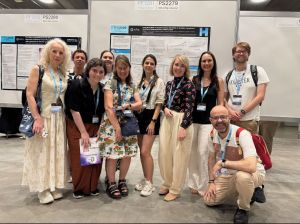
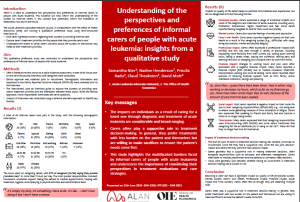
In between the sessions, I reconnected with fellow ALAN members – a particular highlight being a poster presentation on ALAN’s recent study on acute leukaemia caregivers’ Quality of Life. That’s not to mention the Community Leadership Dinner focused on the specific unmet needs of AYA patients and a get together with this year’s cohort of European Patient Advocacy Institute (EPAI) advocates!

Overall, Congress was as fulfilling and insightful as ever, with many signs of progress in putting patient voices at the heart of haematology. While these sessions demonstrating progress were hopeful, I always find that the most rewarding aspect of these events is connecting with others who have been through similar experiences to my own and seeing us all do our best to represent the interests and values of patients touched by haematology, be they patients or caregivers.

Onwards to Stockholm!
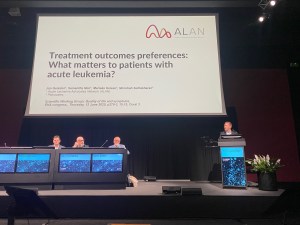
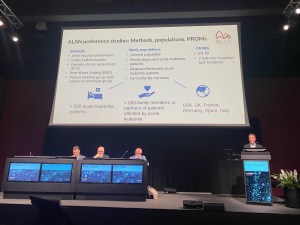
What really matters to acute leukemia patients when they survive?

Patient/carer-guided quality of life and preferences research is needed to judge patient reality and needs.

ALAN is a pioneer in community-run patient preference studies. We ran Discrete Choice Experiments, Best-Worst-Scaling, online bulletin boards and interviews with more than 800 patients and carers.

Interestingly, survival at any price is not everyone’s priority: subgroups of acute leukemia patients are willing to trade treatment response against quality of life.

Also, in terms of quality of life attributes, pain, cognitive impairment and tiredness scored highly, with the latter two not measured by EQ-5D.
Assessment of demographics, information provision and involvement in decisions on QoL in patients with leukemia

In this primary analysis, we examined how:
– demographics,
– information provision, and
– involvement in treatment decisions 
are associated with QoL impact in patients with leukemia.

The data show that younger leukemia patients and people with acute leukemia types experience worse quality of life and high psychosocial burden. Additionnally, clear communication and shared decision-making significantly improves many aspects of daily living.

Our recommendations for physicians and their daily practise is therefore:
– to have a clear & compassionate communication
– to actively involve their patients in decisions, and
– to be more mindful with acute leukemia and younger patients who require additional support.

The poster presented also show that increased patient engagement in treatment decisions, clarity of information on treatment side effects and transparent communication may serve as protective factors against the psychosocial burden of leukaemia, suggesting the important role of patient support groups.
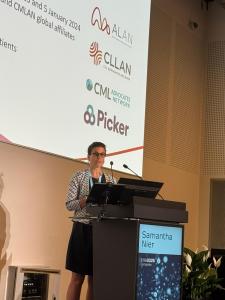
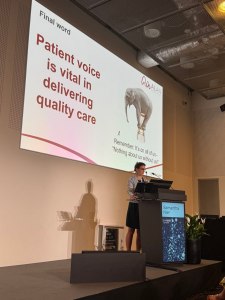
Representing Patient Perspectives on MRD at the EHA-EMA Joint Symposium

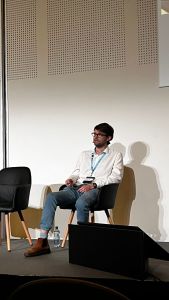
On Friday, June 13, 2025, Anne-Pierre Pickaert represented the Acute Leukemia Advocates Network (ALAN) as a panelist at the EHA-EMA Joint Symposium during the European Hematology Association (EHA) Congress in Madrid. The session, titled “Minimal Residual Disease (MRD) in Clinical and Regulatory Decision Making,” brought the perspective of a clinician, a regulator, a researcher, and a patient advocate to explore how MRD is shaping decisions across the care, research, and policy landscapes in hematologic malignancies.

A Thoughtful, Multi-Perspective Dialogue

The session, chaired by Dr. Pierre Démolis of the European Medicines Agency, also featured:

  • Prof. Dr. med. Nicola Gökbuget (Frankfurt University Cancer Center), who shared a clinical perspective on MRD in acute lymphoblastic leukemia
  • Anna Smit (Erasmus MC), who presented early data from a survey on MRD use in multiple myeloma
  • And Anne-Pierre Pickaert, who contributed insights grounded in her advocacy work with two French patient organisations: Association Laurette Fugain, a proud ALAN member, and EGMOS (Entraide aux Greffés de Moelle Osseuse), which supports bone marrow transplant recipients.

This mix of perspectives created space for genuine dialogue on the opportunities and challenges of integrating MRD into both practice and policy. A recurring theme throughout the discussion was the importance of including patient voices early — not only to shape clinical trial design and regulatory frameworks but to ensure that science remains grounded in the lived experience of those it seeks to serve.

Bringing Forward the Patient Voice

In her remarks, Anne-Pierre shared how individual acute leukemia patients see MRD as a meaningful predictor — not only of remission or relapse, but also of eligibility for bone marrow transplant. However, she pointed out that MRD awareness remains uneven across the blood cancer community. While MRD is more routinely used in diseases such as AML, ALL, CML, and multiple myeloma to guide treatment decisions, it is not yet integrated into standard care for lymphoma and CLL. In these areas, patient advocates are only beginning to engage with MRD as a research endpoint to assess short-term treatment effects.

This inconsistency poses communication challenges for patient organisations that support multiple blood cancer communities. They must adapt their messaging to reflect the varying clinical relevance — and limitations — of MRD for different diagnoses.

Reframing MRD in the Regulatory Space

Anne-Pierre also addressed how current reliance on overall survival (OS) as the primary endpoint for drug approval can delay patient access to innovative therapies — particularly in fast-progressing diseases where waiting for OS data is not practical. MRD could offer a meaningful early signal of treatment efficacy if consistent thresholds and assessment guidelines are adopted globally and OS continues to be collected as a co-primary endpoint.

She welcomed Pierre Demolis’s perspective that instead of pursuing MRD as a validated surrogate endpoint — a path that is both methodologically complex and time-consuming — it should be framed as a “response assessment.” This framing reflects MRD’s ability to demonstrate a drug’s biological activity and potential benefit more quickly. Shifting terminology in this way helps regulators and stakeholders stay focused on clinical relevance and timely access — rather than getting mired in technical validation processes.

Extending the Conversation Beyond the Congress

The discussion was later captured in a Medscape feature article by journalist Cristina Ferrario, titled MRD: A Shared Compass for Patients, Clinicians, and Regulators.” he article reflects the panel’s key messages — including the diverse perspectives on MRD’s use, the regulatory challenges surrounding its validation, and the importance of incorporating patient experience into the evolving conversation on measurable disease response.

Report on EHA-Patient Joint Symposium – by Sophie Wintrich, ALAN Steering Committee member

The European Haematology Association (EHA) Annual Congress stands as a cornerstone event in the global haematology calendar, bringing together clinicians, researchers, industry leaders, policy makers, and—critically—patients and patient advocates. The EHA-Patient Symposium, and other sessions held during EHA2025, continued its tradition of promoting meaningful dialogue and shared learning between all stakeholders. This year’s series of sessions were designed not only to inform, but to empower and inspire, facilitating a collaborative approach to advancing care, research, and awareness in haematology.

EHA Patient Joint Symposium

The EHA-Patient Symposium at EHA2025 was structured around the theme of “Collaborative Innovation: Patients at the Heart of Haematology.” The sessions were carefully curated to reflect the evolving landscape of haematological disorders, the unique challenges faced by patients, and the opportunities for partnership in research, clinical care, and advocacy.

Evolving Endpoint Strategies: Navigating New Therapies and Regulatory Acceptance

Developing standardized and globally accepted endpoints, including quality of life (QoL) as a co-primary endpoint, is essential for assessing the value of new drugs in both malignant and non-malignant hematology. This session delves into the perspective of clinicians, patients, industry, and regulators with regard to defining and standardizing endpoints for treatment evaluation. Panelists will discuss the limitations associated with traditional endpoints and the importance of Real-World Evidence for complimenting clinical trial data and will share their views on how to incorporate patient-valued outcomes and adopt a holistic approach.

The session featured speaker presentations, followed by an interactive discussion with the audience.

Panel: 

  • Jenica Leah, European Sickle Cell Federation (Chair)
  • Prof. Lorenzo Brunetti, Università Politecnica delle Marche (Chair)
  • Dr. Francesco Pignatti, European Medicines Agency (EMA)
  • James Ryan, European Federation of Pharmaceuticals Industries and Associations (EFPIA)
  • Dr. Beate Wieseler, Institute for Quality and Efficiency in Health Care (IQWiG)


All speakers were in agreement that involvement of patients in the design of trials would bring additional benefits and clarity.

Patient Advocate Jenica Leah made a very strong impact with her personal experience of living with Sickle Cell – and her recommendations for better comprehensive care, that does not overlook the many QOL issues.
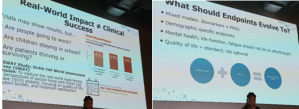
Key messages:

  • End points should include clinical data AND PROs
  • Outcome data should by looked at by age groups
  • RWE needs tracking post-trial
  • Trials ought to be designed with patients, not just for them, to ensure they address what patients want


Prof Lorenzo Brunetti specified that surrogate endpoints have limitations and overlook the patients.

As an example – an AML study showed benefit in EFS, no improvement in OS AND significant side-effects – hence no benefit to patients.

On the other hand, the MAYA study in MM included patient data in addition to surrogate end points – and was a success.
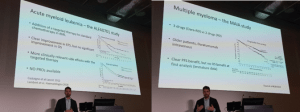
Key message: Surrogate endpoints must be coupled with PROs.

Francesco Pignatti did question the work done by regulators – stating that the patients with their knowledge of the disease should point out the most appropriate end point.

In addition, the acceptance of risk by patients should be used to calculate the risk/benefit.

He suggested we look at overall time patients spend in health, and that patient preference studies may soon inform decisions.
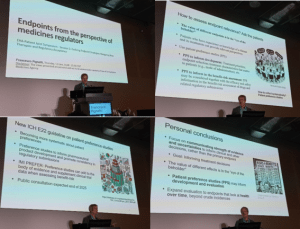
Key message: we must focus on experience

James Ryan, representing EFPIA thought evidence must address diverse needs
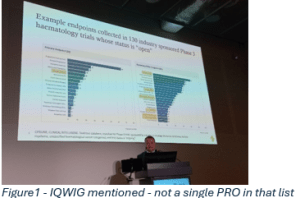
Beate Wieseler – from IQWIG stressed that criteria coming from both patients and healthcare system perspectives need to be used to measure effectiveness and safety, as well as added benefits.

Made a powerful point that ‘We know how to do it – it is not rocket science, but still not happening. And why? Because programmes are still focused on needs of regulators.

Instead, study programmes need to meet the needs of all stakeholders. Surrogates are a mean of accelerating approvals, and need to be thought of from the start, with PROs.

She also advised that endpoints data must also be collected in real life – along the life cycle of the drug.
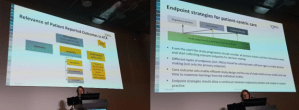
In the discussion – a few very interesting points emerged – again all pointing to giving way more importance to patient preferences.

That clinicians ought to question the validity of end-points – ideally with patients (something that has been suggested for EHA 2026

There were excellent audience questions

  • From advocate A-P Pickaert: Why are QOL endpoints just exploratory? EFPIA explained that quality of the data is not guaranteed – to which IQWIG just stated that it is not more difficult – we just have to do it.
  • Dr Ben Kennedy: When will we see a mandatory PPI? IQWIG answered that it is not yet in the pharma legislation…
  • Advocate Natacha Bolanos: Co-Primary endpoints? – which Foggi answered by stating that studies should be designed to identify what’s the most important to patients.


Advancing Quality of Life as a Measurable Outcome in Clinical Trials

Quality of life is crucial (QoL) for patients and their carers, as it directly impacts their daily well-being and overall satisfaction with treatment. Yet, over the years, little progress has been made in terms of standardization of QoL parameters. This session aimed to integrate patient-reported outcome measures (PROMs) and patient-reported experience measures (PREMs) into clinical trials, providing a structured approach to enhancing QoL as a measurable outcome.

Panel: 

  • Loris Brunetta, Thalassaemia International Federation (Chair)
  • Dr. Sophie Park, Centre Hospitalier Universitaire de Grenoble
  • Dr. Ahu Alanya, European Organisation for Research and Treatment of Cancer (EORTC)
  • Mairéad Ní Chonghaile, Haematology Nurses & Healthcare Professionals Group (HNCHP)
  • Dr. Paolo Foggi, Italian Medicines Agency (AIFA)


This was a very high interest session – with a very packed room – and chaired by the Italian patient advocate Loris Brunetta.
Essentially, all speakers were in full agreement that patients and advocates absolutely must be engaged in the design and choice of PRO tool for studies. Different tools were discussed that can create engagement and foster discussions between patients and researchers, leading to a hermeneutic approach.

In his introduction as Chair, Patient Advocate Loris Brunetta questioned the current choices of PRO tools. Do patient really understand all parameters, are they matching he research intentions, is a slight improvement in mental health really relevant to them?
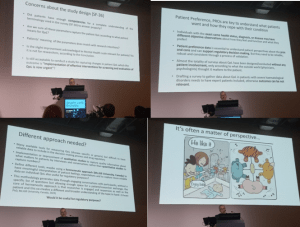
In the context of clinical trials and patient engagement, a hermeneutic approach involves creating a dialogue between patients and researchers to interpret and understand patients’ experiences and perspectives. This method emphasizes the importance of context, the co-construction of meaning, and the iterative process of interpretation. By fostering open communication and mutual understanding, a hermeneutic approach aims to ensure that the insights and feedback from patients are accurately captured and integrated into the research process. This can lead to more meaningful and relevant outcomes, ultimately improving the quality of life for patients.

A question was posed regarding whether regulators would accept this approach, highlighting the need for regulatory bodies to recognize and validate the importance of QoL measures in clinical trials.

Patient Input in Surveys: It was noted that almost all surveys about QoL are conducted without patient input, leading to problems of perceptions. This underscores the necessity of involving patients in the design and implementation of QoL surveys to ensure their accuracy and relevance.

Dr. Sophie Park, a haematologist in Grenoble, discussed whether current QOL tools adequately capture fatigue in MDS patients. (EORTC-QLQ-C30, FACT-G, FACT-An/F, CTCAE, PRO-CTCAE)

She is aiming to use  AI to improve fatigue measurement. In MDS, she found that  EQ-5D and fatigue VAS scores do not correlate linearly with HB levels, while QUALMS-P and QUALMS-BF (38 items) show improvement as HB.  The  current aim is to integrate the QOL measurement into AI chatbots, while preserving clinical validity in such conversational formats.
She checked for compatibility of QOL questionnaires for fatigue and chatbot potential.

In conclusion – there is no perfect tool – as you need to look at exact goals and context. PRO CTCAE remains a standard – and good for chatbot use. However, again – it lacks patient perspective.
Chatbots  could provide united views between patients and clinicians, but it will be critical to have validation, ethics approval, patient consent and data protection. Thorough real-life testing will be much needed.
Ahu Alanya from EORTC (Brussels) questioned the rationale for using specific PROs and whether PROs tell the full story. For instance the objective can be HR QOL benefit OR Tolerability of a treatment.

In a real-life example, she reported that a higher rate of AE did not result in worse outcomes.
However – 40% of patients discontinued treatment due to  reported QOL issues.
So the solution (and general recommendation from SISAQOL9IMI) )is to include additional analysis to look at patients who discontinued treatment.

PRO Graphs should provide information on sample sizes, intercurrent events and missing data.

Mairéad Ní Chonghaile, Haematology Nurses & Healthcare Professionals Group (HNCHP) highlighted that QOL is crucial – in light of competing treatment options. 50% of patient would not choose additional treatment for any gain of PFS. Such tools improve decision making.

QOL tools need to be specific to disease and the population – A tailored approach – as 1 size does not fit all. We also need to be conscious of the data collection burden on patients, caregivers – as well as staff burdens on time and effort and to remember that nurses on the coal face have no extra time.
We need to balance the usefulness vs a potential tendency for a  tick-box exercise (just because it is required by regulators).

Keep it meaningful – and engage with patient advocates around the choice of such tools.
Dr. Paolo Foggi, Italian Medicines Agency (AIFA) had an opening statement which was crystal clear: Patients should be at the centre of clinical evidence generation’. Patient engagement is essential, at CHMP level too

He pushed for use of wearables for continuous monitoring – but stated that regulators don’t have strict recommendations on what QOL tools to use. His advice was to ‘Think of the tools to use well in advance’
He also advised to have plans for tackling missing data, and reminded the audience to have an early engagement with regulators to discuss collection of PROs
Interestingly – he specified that you can use a PRO even if it is not ‘qualified’, as long as it is justified.

Lastly, he pointed out that regulators too, must be transparent in their decisions and labels.
Questions from the advocate audience stated that 80% of trials include PRO data – however only a portion of that data is included in the label.

And French advocate Anne-Pierre Pickaert asked why there were such poor options for patient engagement in HTA in Italy.

In the subsequent discussion, the panel stressed the importance of taking action early – as it is not possible to fix things later (P.Foggi) and Alanya spoke of ‘Common sense Oncology’.

PROs as secondary endpoints were mentioned – for randomised trials

Mairead stated that chatbots and free text analysis will really gain in importance – and that nurses already use thematic analysis to look at such data. She stressed that a difference of 1 point of a fatigue scale can make a major difference in terms of life functions

Also mentioned – that missing information is mostly due to admin errors, not lack of patient participation.

Loris Brunetta concluded the session by underlining that we need a new way to capture data – and especially in the low literacy patients.

Modernizing Tolerability Assessment and Safety Reporting

Modernizing how adverse events and tolerability are reported and assessed is very important for patient safety. It is also crucial for improving the efficiency and quality of clinical trials and for regulatory decision making. This multi-stakeholder session will explore whether the dual goals of advancing tolerability assessments and simplifying safety reporting can be achieved simultaneously. The discussion will be led by investigators with key perspectives from regulators, sponsors, and patients.

After the speakers’ presentations, the session will feature a panel discussion, taking questions from the audience to foster an interactive and insightful dialogue.

Panel:

  • Prof. Paul Bröckelmann (Chair), Lancet Haematology Commission on Adverse Events in Haematologic Malignancies
  • Prof. Martin Dreyling, Coalition for Reducing Bureaucracy in Clinical Trials
  • Dr. Emil Cochino, European Medicines Agency (EMA)
  • Dr. Elisa Cerri, AbbVie
  • Prof. Tarec El-Galaly, Aarhus University Hospital / ACT EU Multi-Stakeholder Platform Advisory Group
  • Ananda Plate, European Patient Advocacy Institute (EPAI)
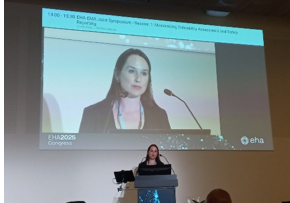
Advocate Ananda Plate made the strongest impact in that session – explaining that tolerability and QOL are co-related, that acceptability of issues changes depending on a patient’s situation, that duration and recurrence of side-effects matter.
She stated that low-grade chronic side-effects can be worse than severe acute ones – citing examples of diarrhoea.

A most important point was that none of her side-effects and long-term toxicities are captured and reported – as there are zero incentives to continue reporting on toxicities after a trial. And this despite the fact that tools exist to collect data.

And that patients will and want to report them, if the side-effects bother them. Basically, the free advice from patient reports is totally disregarded.

EHA Symposium on Patient Communication: Trust Through Dialogue

This dedicated session delved into the crucial topic of communication between clinicians and patients, especially during time-pressured conversations about clinical trials. Entitled Trust Through Dialogue: Balancing Empathy, Clarity, and Autonomy in Time-Pressured Conversations About Clinical Trials, the session featured expert speakers and patient advocates discussing strategies to foster trust and understanding. Practical guidance was provided on how to communicate complex information empathetically yet clearly, respecting patient autonomy while ensuring informed consent. Role-playing exercises and real-world case studies illustrated the challenges of balancing the urgency of clinical trial enrolment with the need for patient-centred communication. Attendees came away with actionable tools for improving dialogue, which is critical for both patient satisfaction and successful trial participation.
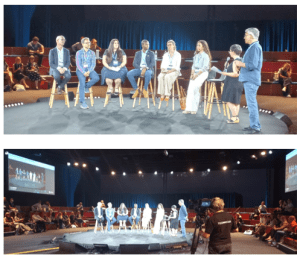
Patient Perspectives and Impact

Across all sessions, the voices of patients and caregivers were spotlighted not simply as beneficiaries, but as active agents of change. Testimonies highlighted the emotional and practical realities of living with haematological disorders, the need for clear and compassionate communication, and the power of advocacy in driving innovation. Participants expressed appreciation for the opportunity to network and learn from one another, and many commented on the sense of solidarity fostered by the Symposium.

Conclusion and Future Directions

The EHA-Patient Symposium sessions at EHA2025 reaffirmed the centrality of patient engagement to the future of haematology. As the field continues to evolve, the commitment to partnership, equity, and innovation will be crucial in delivering better outcomes for all. Feedback from attendees will inform the planning of future events, ensuring that the Symposium remains responsive to the changing needs of the haematology community.

By fostering ongoing dialogue, supporting collaborative research, and prioritising the lived experience of patients, the EHA-Patient Symposium at EHA2025 stands as a testament to what can be achieved when all stakeholders come together with a shared vision of progress and hope.