
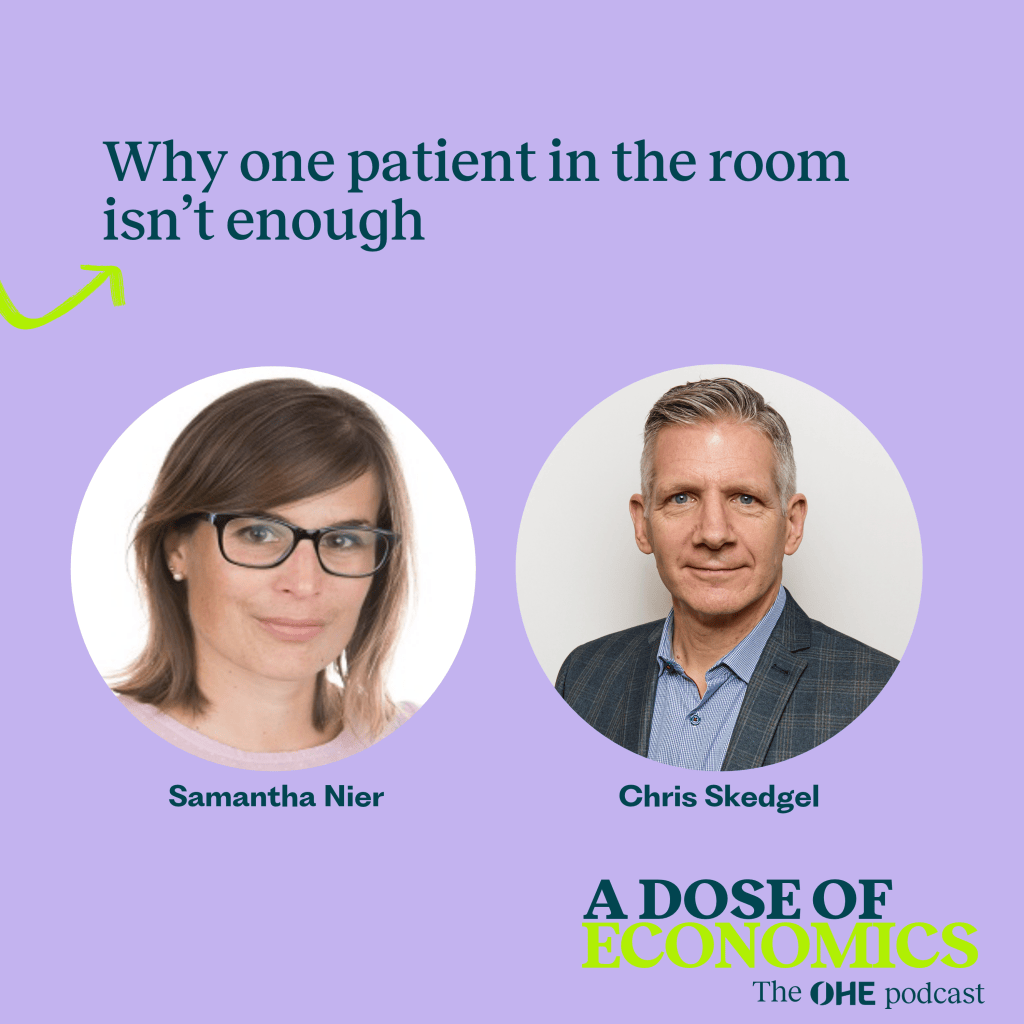
Why one patient in the room isn’t enough?
In healthcare decision making, it’s often too easy to forget that beyond every data point is a real person.
Every patient is different. Every carer is different. Every family situation is different. Having their voices represented in the treatment process, from research all the way to regulatory decisions, makes things human again.
The challenges are real. In a condition as varied as acute myeloid leukaemia for example, the experience of a single person tells decision-makers very little about everyone else living with it, and questions such as whether quality of life matters as much as survival are rarely asked.
Grace Hampson is joined by Samantha Nier, Director of the Acute Leukemia Advocates Network (ALAN), and Chris Skedgel, Director at the Office of Health Economics, to explore what meaningful patient involvement looks like and how regulators and health technology assessment (HTA) bodies can make it work.
They’ll discuss
- What patient voice means, from setting research priorities to regulatory and reimbursement decisions
- Why one patient cannot represent a diverse condition, and the evidence patient organisations generate
- How patient preference evidence fits alongside clinical trial data, and the trade-offs patients make between survival and quality of life
- The practical barriers that keep patients out of decision-making, and what “good” looks like
Listen here: https://www.ohe.org/podcasts/why-one-patient-in-the-room-isnt-enough/
