Spotlight on ALAN members
In 2026, with ALAN support, some of our members have been able to start and/or complete projects which benefit acute leukemia patients and their families. We are very grateful that our support could contribute to make these projects happen.
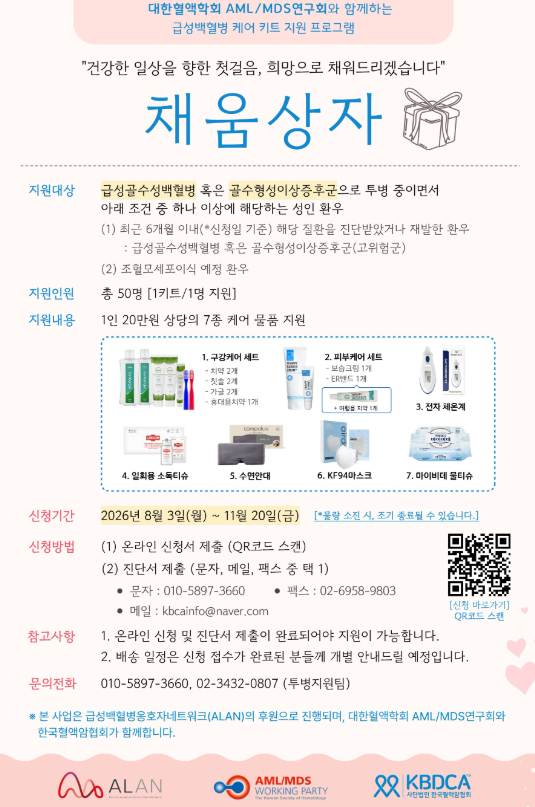
Acute Leukemia Care Box Support Program – KBDCA (South Korea)
The Care Box Support Program provides essential items for patients diagnosed with or experiencing a relapse of acute myeloid leukemia (AML) within the past six months, as well as AML patients preparing for hematopoietic stem cell transplantation.
In collaboration with the AML/MDS Working Group of the Korean Society of Hematology, seven types of essential care items were selected based on medical professionals’ recommendations. Each Care Box contained an oral care set, skin care set, digital thermometer, sleep mask, face masks, personal cleansing wipes, and disposable disinfectant wipes, along with educational materials about the disease.
KBDCA distributed a total of 50 Care Boxes to 10 hospitals across Korea. In a satisfaction survey completed by 42 recipients, all respondents reported being satisfied with the program. Positive feedback was also received from a patient preparing for a stem cell transplant, who shared that the Care Box helped them prepare essential items for their upcoming hospitalization.
Through this program, KBDCA aimed to ease the everyday burdens faced by patients and caregivers following an unexpected acute leukemia diagnosis and throughout treatment, providing practical support and encouragement to help patients focus on their treatment in a more comfortable and supportive environment.

Strengthening Evidence, Advocacy and Awareness for Acute Leukaemia in Nepal – Blood Cancer Society Nepal (Nepal)
Building Connections and Bringing Communities Together
As part of the ALAN-supported project, Strengthening Evidence, Advocacy and Awareness for Acute Leukaemia in Nepal, Blood Cancer Society Nepal (BCSN) has been strengthening partnerships and creating opportunities for greater awareness and collaboration in cancer care.
Connecting Stakeholders for Better Childhood Cancer Care
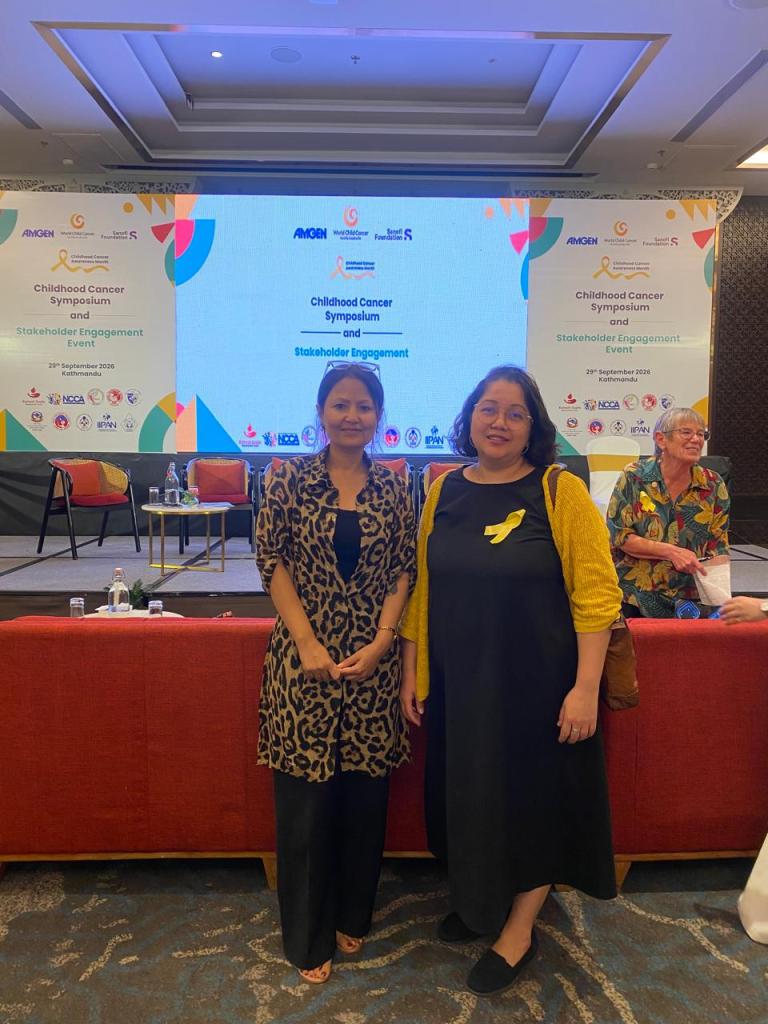
On 29 September 2026, BCSN participated in the National Symposium on Childhood Cancer Care & Stakeholder Engagement in Kathmandu, jointly organised by Ramesh Gupta Memorial Trust (RGMT), World Child Cancer (WCC), and TACC. The symposium brought together government representatives, healthcare professionals, hospitals, NGOs, foundations, survivors, parents, and international partners to discuss priorities and challenges in childhood cancer care in Nepal.
The event provided BCSN with an opportunity to introduce its ALAN-funded project, present its proposed research, and connect with healthcare professionals and key stakeholders. Discussions highlighted the importance of early diagnosis, accessible treatment, stronger patient support, improved cancer data systems, and coordinated action. BCSN is also engaging with organisations including the World Health Organization (WHO), WCC, and RGMT to explore collaboration opportunities, share knowledge, and strengthen existing initiatives.
Tea for Cancer Support: Creating Space for Conversation
Cancer is not always easy to talk about. Limited awareness, misconceptions, and the challenges of diagnosis and treatment can leave patients and families feeling isolated. Recognising the importance of open conversations and community support, this September, on the occasion of World Leukemia Day, BCSN partnered with Chia Sia Tea Shop to organise Tea for Cancer Support, bringing together cancer survivors, supporters, and community members.
Over a cup of tea, participants shared experiences, asked questions, and engaged in meaningful conversations about living with and beyond cancer. The stories of survivors, filled with courage, resilience, and hope, were a reminder of the strength found in shared experiences and supportive communities.
Both initiatives reflect BCSN’s commitment to bringing stakeholders and communities together, amplifying the voices of those affected by cancer, and building a more informed, connected, and supportive environment for people and families affected by blood cancer in Nepal.

Acute Leukemia Navigation, Awareness and Advocacy – Empowerment for Sustainable Livelihood (Ghana)
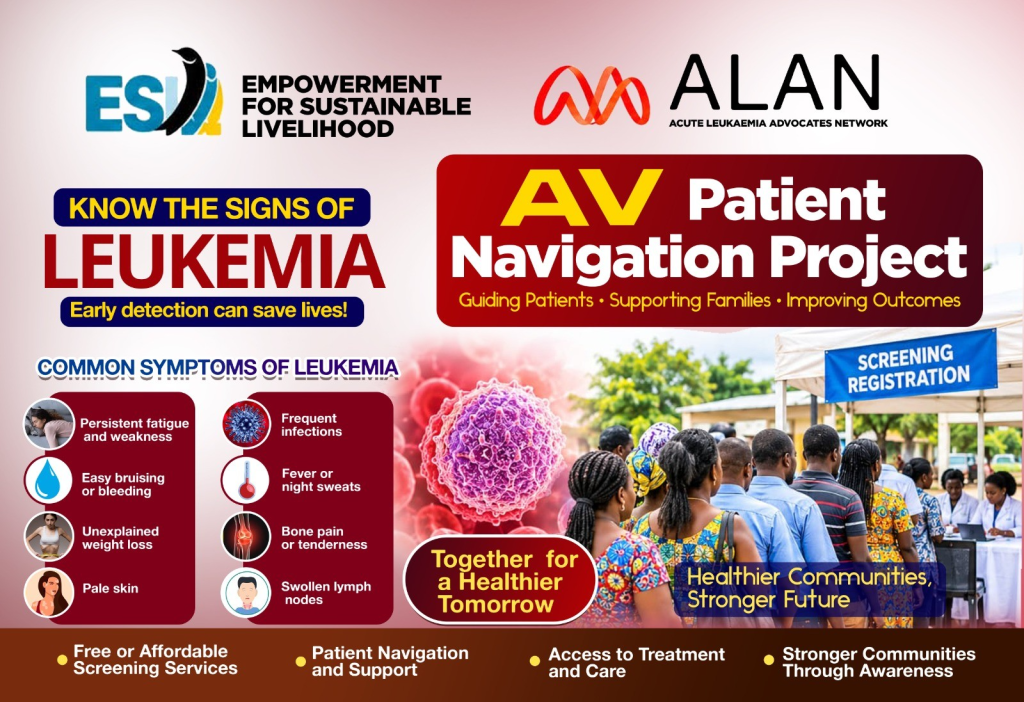
The AV Patient Navigation Project, implemented by Empowerment for Sustainable Livelihood (ESL) in Ghana in collaboration with ALAN, continues to advance patient advocacy, community health education, early detection and access to appropriate healthcare services.
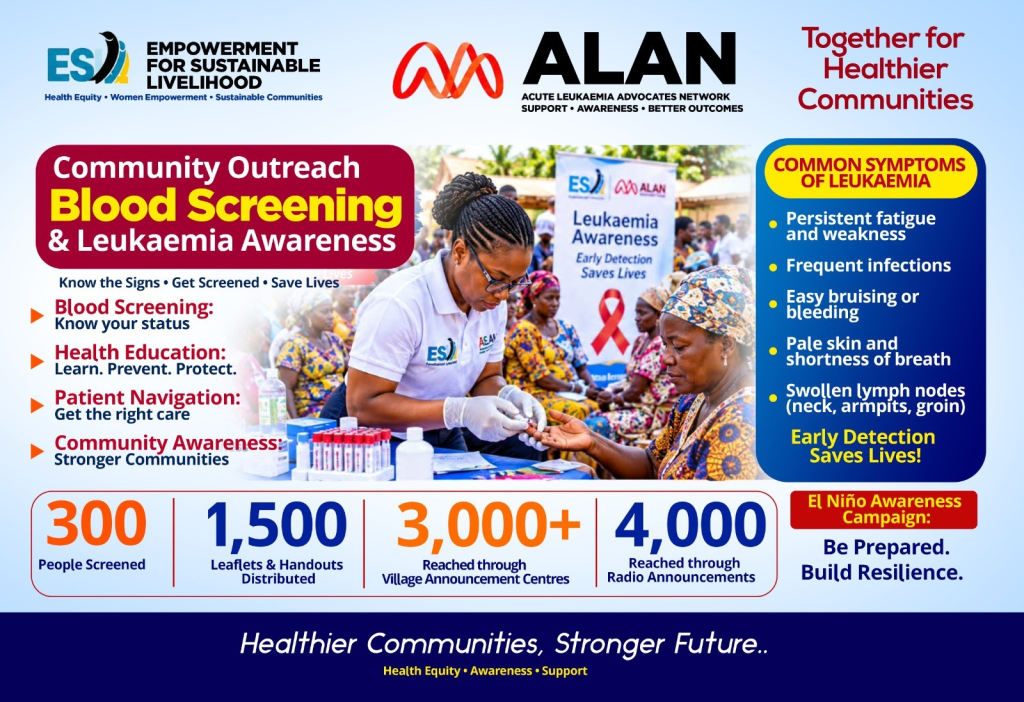
During the reporting period, ESL undertook a community outreach programme at Odumase Village in the Sunyani Municipal area of the Bono Region, Ghana. The outreach focused on blood screening, leukaemia awareness, health education and patient navigation, with the objective of improving community understanding of leukaemia and encouraging early detection and timely access to healthcare services.
As part of this intervention, 300 community members benefited from blood screening, while 1,500 educational leaflets and information handouts were distributed to promote awareness of leukaemia, its common signs and symptoms, the importance of early detection and the need to seek timely medical attention.
To extend the project’s reach beyond direct community engagement, ESL also utilised traditional community communication channels. Through village Community Announcement Centres, over 3,000 people were reached with leukaemia awareness messages. Additionally, radio announcements provided an opportunity to reach an estimated 4,000 people with important information about leukaemia, its warning signs, early detection and the importance of seeking medical attention.
In addition to the leukaemia awareness activities, ESL incorporated an El Niño Awareness Campaign into its community health education efforts. The campaign sought to improve public understanding of El Niño, its potential effects on weather patterns, community livelihoods and public health, while encouraging awareness of appropriate preventive and preparedness measures. This initiative reflects ESL’s broader commitment to addressing emerging community health and environmental concerns through accessible health information and public education.
The educational outreach also provided community members with relevant information on warning signs of leukaemia, including persistent fatigue, frequent infections, unexplained fever, easy bruising or bleeding, pale skin and swollen lymph nodes. Through direct engagement, community announcements, radio communication and the distribution of educational materials, ESL sought to address information gaps, dispel misconceptions and encourage individuals to take proactive steps towards their health.
The blood screening component was designed to encourage early identification of potential health concerns and facilitate appropriate medical assessment and referral where necessary. The patient navigation component further emphasises the importance of guiding patients and their families towards relevant healthcare services, supporting informed healthcare decisions and reducing barriers to accessing diagnosis and treatment.
These combined interventions demonstrate ESL’s commitment to taking health education beyond healthcare facilities and reaching underserved communities through accessible, locally relevant communication channels. By combining community screening, educational materials, village announcement centres, radio outreach and broader public health awareness campaigns, the project seeks to strengthen health literacy, promote early detection and improve patient navigation.