
Spotlight on ALAN members
In 2024, with ALAN support, some of our members have been able to start and/or complete projects which benefit acute leukemia patients and their families. We are very grateful that our support could contribute to make these projects happen.

Aim: provide accurate and comprehensive information to support shared decision-making among those impacted by acute leukemia, including patients, caregivers, and healthcare professionals.
This project involves the creation of an online and printed handbook containing detailed medical information about acute leukemia and its treatment options for adults. This handbook will present information in a friendly and accessible manner, supplemented with visual images to enhance understanding.

The goal is to empower individuals affected by acute leukemia to make informed decisions throughout their disease journey.
Topics:
- About Acute Leukemia: Description of Acute Leukemia; Types of Acute Leukemia; Differences Between Acute and Chronic Leukemias; Risk Factors Associated with Acute Leukemia
- Before Treatment: Preparing for Treatment (e.g., Fertility Preservation)
- Treatment Options: Chemotherapy; Targeted Therapy; Radiation therapy; Bone Marrow Transplant; Immunotherapy; CAR-T Cell Therapy; Palliative Care; Clinical Trials
- Phases of Leukemia Treatment
- Considerations When Deciding on Treatment: Risks; Benefits; Side Effects; Treatment Combinations: Impact on Daily Life
- How to Prepare for Medical Consultations
- Patient Rights + Reliable Sources of Information

Aim: increase awareness on blood cancers within the community of Tanzania
1. Development of social media health education materials
2. Mass production and dissemination of flyers and banners across different blood clinics
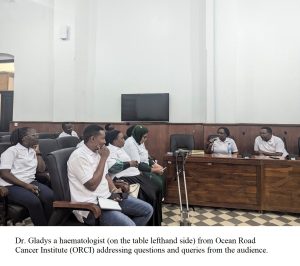
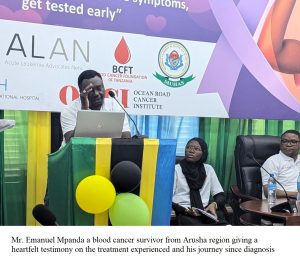
3. Educational seminars with patients and community
4. Leukemia booth and health check-up at Saba Saba Trade fair
5. Organizing fundraising Charity walk or Run

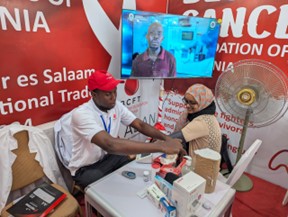
During Blood Cancer Awareness Month:




Aim: Mental Health for acute leukemia patients through art therapy
It will help patients and their families to:
- receive information and emotional support to patients who are starting treatment.
- get some relaxing activities and entertainements to patients admitted into wards
- breaking sense of isolation
- contribute to their wellbeing
- expression of negative thoughts
- help to keep mind busy, distracted and relaxed
Thanks to this interaction, patients have the opportunity to be monitored by the psychology and mental health department, making it easier to identify patients who may be depressed or have some other problem that needs professional attention.


Aim: organization of south african leukemia think tank
The event will seek to increase dialogue between medical specialists with extensive experience in oncology, Haematologist, pathologists, epidemiologists, information technology officers, nongovernmental organisations working in the field of cancer, representatives from the National Health Laboratory Service, cancer registry and representatives from the Provincial and National Department of Health. Ultimately, the meeting will seek to explore innovative solutions to make leukemia cancer control and treatment an entrenched public health priority.
The outcomes of the meeting will set the stage for the creation of a coordinated multi-stakeholder group focused on ensuring that the public health response to leukemia is addressed and that the plans to address leukemia cancer that exists on paper reach patients.


Aim: Disease Progression Explained
Patients who are connected to the foundation often present with disease related questions. One topic that comes up frequently is the progression of MDS to AML. Approximately 30% of patients with MDS progress to AML. Patients want to know what progression looks like, how treatment options change, and how to detect progression early.
MDS Foundation has identified an educational gap that needs to be addressed. The MDSF has many resources dedicated to MDS and AML separately but little that focuses specifically on the relationship between the two. Specific education dedicated to the progression of MDS to AML would be a vital asset to those patients who reach out.
Audience: MDS Patients, Family, & Caregivers, Newly Diagnosed AML Patients with MDS Related Changes