Highlights from ASH 2024 – Updates in AML

UPDATES IN AML

The following summaries highlight key findings from research posters presented at the 66th ASH Annual Meeting, showcasing new developments in oral maintenance therapies for acute myeloid leukemia (AML).

In AML, relapses are common after remission. These treatments aim to help patients stay in remission longer while offering convenient, at-home options.

Oral Combination Therapy for AML: Decitabine/Cedazuridine (ASTX727) Plus Venetoclax(1)
What was this study about?
This phase 2 study tested a fully oral treatment option for people with newly diagnosed AML who cannot have intensive chemotherapy due to age or health conditions. The treatment combined a tablet form of decitabine/cedazuridine (ASTX727) with venetoclax, making it more convenient and needle-free.

Study overview
Who participated? 60 adults with newly diagnosed AML (average age 80). Most had high-risk AML due to genetic factors or prior health conditions.
What was studied? The effectiveness and safety of taking decitabine/ cedazurdine and venetoclax as a fully oral treatment.

Key results
Effectiveness:
• 67% of patients improved with treatment and had no visible signs of leukemia in their blood or bone marrow (complete remission)
• Among those tested, 51% had no detectable cancer cells using sensitive tests (MRD negativity)
• Patients lived for a median of 10.2 months, which increased to 12.7 months for those who had not received similar treatments before

Safety:
• Infections and gastrointestinal side effects were the most common overall side effects
• The most common serious side effects (grade 3/4) were:
o Fever with low white blood cells (neutropenic fever) – 10%
o Pneumonia – 8%
o Low white blood cell count (neutropenia) – 8%
• Infections of any type occurred in 27% of patients, and 3 patients (5%) died from bleeding or infections while in remission.

Key takeaway
This fully oral treatment offers an effective and convenient option for older or more frail patients with newly diagnosed AML, offering an alternative to injection-based treatments. Many patients showed improvements, including complete remission. Serious side effects like infections and low blood counts occurred, so preventative antibiotics and dose reductions should be used alongside this treatment. This approach is a promising option for patients who are not able to receive intensive chemotherapy.

Oral Maintenance Therapy for AML: Decitabine/Cedazuridine (ASTX727) Plus Targeted Agents(2)
What was this study about?
This study tested a personalized oral maintenance therapy for people with AML who are in remission but at risk of the disease coming back (relapse). The goal was to see if combining a pill form of decitabine/cedazuridine with other targeted oral agents could help maintain remission and prevent relapse.

Study overview
• Who participated? 31 adults with AML were in remission. 15 people had received intensive chemotherapy and 16 people had lower-intensity treatment. The average age of participants was 68 years old
• What was studied? The effectiveness and safety of decitabine/cedazuridine alone or combined with one of four targeted oral agents (venetoclax, gilteritinib, ivosidenib or enasidenib) as maintenance therapy

Key results
Effectiveness:
• Patients stayed in remission for a median of 22.4 months, with 59% still in remission after 1 year
• Survival rates were 82% across the whole group. Out of those patients who had previously received intensive chemotherapy, 88% were alive after 1 year

Safety:
• The most common side effects overall were:
o High blood sugar – 55%
o Increase in liver enzyme called ALP – 45%
o Low potassium – 45%
o Feeling sick – 45%
• Common serious side effects (grade 3 or higher) included:
o Low white blood cells (leukopenia) – 98%
o Low platelets (thrombocytopenia) – 80%
o Low red blood cells (anemia) – 55%
o Fever with low white blood cells (neutropenic fever) occurred in 19% of patients
• Only 1 patient stopped treatment due to side effects, and one patient died because of treatment during maintenance therapy

Key takeaway
This study supports the use of personalized oral maintenance therapy for people with AML who are in remission but cannot receive stem cell transplants. The approach shows encouraging results, with most patients staying in remission for over a year. While side effects like low blood counts are common, they are manageable with supportive care, dose adjustments and monitoring. Further studies will continue to explore dose adjustments and longer follow-up to confirm the safety of this treatment combination.

What this means for patients
These studies highlight the potential of oral therapies for people with AML, particularly those who cannot receive intensive chemotherapy or stem cell transplants. By combining convenient, at-home treatments like decitabine/cedazuridine with targeted agents, patients may be able to:
⦁ Stay in remission longer
⦁ Improve quality of life with needle-free therapies

While side effects like low blood counts and infections are common, they can be managed with supportive care, such as antibiotics and dose adjustments. These treatments are still being studied, and ongoing research will help confirm their long-term safety and benefits.

References
1. Bazinet A, et al. Poster presented at the 66th ASH Annual Meeting and Exposition, San Diego, December 8, 2024. Abstract #2896.
2. Bazinet A, et al. Poster presented at the 66th ASH Annual Meeting and Exposition, San Diego, December 9, 2024. Abstract #4277.

Menin Inhibitors in AML

Menin inhibitors are a new type of treatment being studied for acute myeloid leukemia (AML). They work by blocking a protein called menin, which helps certain leukemia cells grow. This is particularly important for people with AML who have specific genetic changes, like KMT2A rearrangements (KMT2Ar) or NPM1 mutations (NPM1m). These genetic changes can make leukemia more aggressive and harder to treat.

By stopping menin from working, these therapies aim to stop leukemia cells from growing and help the body fight the disease more effectively. Menin inhibitors are showing promise in people who are newly diagnosed with AML, as well as in those whose disease has come back (relapsed) or hasn’t responded to other treatments (refractory).

In November 2024, the FDA approved revumenib, the first menin inhibitor, for people with KMT2Ar with relapsed or refractory acute leukemia. This approval is a major step forward, offering a new treatment option for people with AML.

Below are highlights from the ASH 2024 Annual Meeting, summarizing key findings about the safety and effectiveness of these new menin inhibitors.

Revumenib
Updated Results from the AUGMENT-101 Phase 2 Study in Relapsed/Refractory KMT2Ar Acute Leukemia(1)
What was the study about?
This phase 2 study looked at the effectiveness and safety of a menin inhibitor called revumenib. Revumenib was given on its own to adults and children with relapsed or refractory (R/R) KMT2Ar acute leukemia.

Study overview
Who participated? 116 people (average age 35.5 years; 24% were under 18). Most (82%) had AML and had already received an average of two previous treatments.

Key results
Effectiveness:
• 23% of patients had their leukemia go into remission, meaning there were little to no signs of cancer in their blood or bone marrow. This lasted for about 13 months on average
• 64% of patients showed improvements such as remission or reductions in leukemia cells
• 61% had no detectable cancer cells, based on very sensitive tests. This is called being “MRD negative”

Safety:
Serious side effects (grade 3 or higher) likely caused by the treatment were seen in 54% of patients. These are called treatment-related adverse events (TRAEs).

However, the most common serious side effects overall (whether or not they were caused by the treatment, called treatment-emergent adverse events or TEAEs) were:
• Fever with low white blood cell count (febrile neutropenia) – 39% of patients
• Low red blood cells (anemia) – 20%
• Changes in heart rhythm (QT prolongation) – 13%
• A potentially severe condition called differentiation syndrome occurred in 15% of patients, but was manageable with treatment. Differentiation syndrome has symptoms such as fever, weight gain and trouble breathing

Key takeaway
Revumenib, the first menin inhibitor to be approved in AML, continues to show promise for people with relapsed/refractory KMT2Ar leukemia. This updated analysis shows that revumenib can result in long-lasting improvement in people who have previously received two or more treatments. Side effects were common but generally manageable.

Combination Therapy with Revumenib, Venetoclax, and Decitabine/Cedazuridine in R/R AML(2)
What was the study about?
This phase 1/2 study looked at the safety and effectiveness of using revumenib (a menin inhibitor), together with venetoclax, and decitabine/cedazuridine. All treatments were taken as tablets, making this an all-oral combination. The combination was given to adults and children with relapsed or refractory AML who had specific genetic changes (KMT2Ar, NPM1m, or NUP98r mutations).

Study overview
Who participated? 33 people (average age 35; 15% were under 18). Patients had received an average of 3 previous treatments before. This included venetoclax in 58% of patients, while 36% had had a stem cell transplant before.

Key results
Effectiveness:
• 82% of patients showed improvements with treatment
• 48% went into remission, meaning little to no signs of cancer were detected
• 88% had no detectable cancer cells, based on very sensitive tests (MRD negative)

Safety:
The most common serious side effects (grade 3 or higher) were:
• Fever with low white blood cell count (febrile neutropenia) – 33% of patients
• Lung infections – 33%
• Less common side effects included heart rhythm changes (QT prolongation) in 9% and a potentially severe condition called differentiation syndrome occurred in 3%
• Four patients died during the study, but these deaths were thought to be due to disease progression and not caused by the treatment

Key takeaway
This all-oral combination therapy showed positive results. Many patients experienced a reduction in leukemia or had signs of disease disappear completely. While side effects, such as infections and low blood cell counts, were common, most could be managed with care.

The study is now enrolling newly-diagnosed people with AML who have KMT2Ar, NPM1m, or NUP98r mutations and are not eligible for intensive chemotherapy.

Bleximenib
Dose Optimization of Bleximenib in R/R Acute Leukemia(3)
What was this study about?
This phase 1b study tested how safe bleximenib, a menin inhibitor, is when used on its own, and aimed to find the best dose. It focused on people with relapsed or refractory (R/R) AML, who have specific genetic mutations (KMT2Ar or NPM1m).

Study overview
Who participated? 146 people (average age 60). Most people (90%) had AML and had already tried an average of two previous treatments.

Key results
Effectiveness:
• The best dose of bleximenib was identified as 100 mg twice a day
• At this dose, 48% of patients showed improvements with treatment
• 33% went into remission, meaning little to no signs of cancer were detected. This lasted about 6 months on average

Safety:
• The most common serious side effects (grade 3 or higher) were:
o Low platelet count (thrombocytopenia) – 32% of patients
o Low red blood cell count (anemia) – 27%
o Low white blood cell count (neutropenia) – 25%
• A potentially severe condition called differentiation syndrome occurred in 14% of patients. Most cases were mild, however 2 patients died from this condition
• Importantly, no heart rhythm changes (QT prolongation) were seen with bleximenib, a side effect that has been reported with other menin inhibitors

Key takeaway
Based on the results of this study, the best dose of bleximenib was found for treatment of people with relapsed/refractory AML. The next stage (phase 2) of this study is currently ongoing and will look at how effective and safe bleximenib is in a larger group of people with AML.

Bleximenib Combined with Intensive Chemotherapy in Newly Diagnosed AML(4)
What was this study about?
This phase 1 study looked at the safety of combining bleximenib with standard chemotherapy and investigated the best dose of bleximenib to use. This study focussed on people with newly diagnosed AML who have certain genetic mutations (KMT2Ar or NPM1m).

Study overview
Who participated? 28 people (average age 58) with newly diagnosed AML.

Key results
Effectiveness:
• 95% of patients showed improvements with combination therapy
• 86% went into remission, meaning little to no signs of cancer were detected
• Of the 9 patients who were tested for remaining cancer cells, 8 had no detectable cancer using very sensitive tests (MRD negativity)
• No patients died or relapsed during the study

Safety:
• Serious side effects (grade 3 or higher) occurred in 93% of patients. The most common were:
o Low platelet count (thrombocytopenia) – 68%
o Fever with low white blood cell count (febrile neutropenia) – 61%
o Low red blood cell count (anemia) – 54%
o Low white blood cell count (neutropenia) – 54%
• Importantly, there were no dose-limiting toxicities, which are serious side effects that can limit how much of the treatment can safely be given
• No heart rhythm issues (QT prolongation), and no differentiation syndrome (a potentially severe condition that can occur following cancer treatment) occurred during the study

Key takeaway
The combination of bleximenib with standard chemotherapy produced positive results, with most patients going into remission and many having no detectable cancer cells after treatment. Side effects like low blood counts were common but manageable. There were no life-threatening complications or relapses during the study. This promising approach is now being explored further to confirm its benefits in a larger group of patients.

Enzomenib
Phase 1 Results of Enzomenib for Relapsed/Refractory Acute Leukemia(5)
What was this study about?
This phase 1 study tested enzomenib, a menin inhibitor, for people with relapsed or refractory AML with specific genetic mutations (KMT2Ar or NPM1m). The study looked at the safety of enzomenib, how well patients could tolerate it, and the best dose to use.

Study overview
Who participated? 84 people (average age 62), most with AML (94%).

Key results
Effectiveness:
• Improvement following treatment was similar between people with the two mutations included in this study. 65% of people with KMT2Ar showed improvements with treatment compared with 59% of those with NPM1 mutations
• Complete remission (the disappearance of all signs of cancer) occurred in 30% of people with KMT2Ar and 47% of people with NPM1m

Safety:
• The most common serious side effects (grade 3 or higher) were:
o An extreme immune response to infection that can damage vital organs (sepsis) – 25%
o Fever with low white blood cell count (febrile neutropenia) – 24%
o Low platelet count (thrombocytopenia) – 21%
• A potentially severe condition called differentiation syndrome occurred in 11%
• Heart rhythm issues (QT prolongation) were seen in only 1% of patients
• No patients died due to treatment with enzomenib and the dose tested did not result in any patients having side effects so severe that they had to stop treatment

Key takeaway
Enzomenib shows potential as a treatment for relapsed/refractory AML, especially for those with KMT2Ar or NPM1 mutations. The number of patients improving with treatment was encouraging, and side effects were manageable. Importantly, no patient died from treatment with enzomenib. The study is still ongoing to find the best dose for future use.

Ziftomenib
Ziftomenib Combined with Intensive Chemotherapy in Newly Diagnosed AML(6)
What was this study about?
This phase 1 study tested ziftomenib, a menin inhibitor, combined with standard induction chemotherapy for people newly diagnosed with AML who have specific genetic mutations (KMT2Ar or NPM1m). The study looked at the safety and how well patients could tolerate this combination

Study overview
Who participated? 51 people (average age 58) with newly diagnosed AML.

Key results
Effectiveness:
• 91% of patients showed improvements with treatment
• 91% went into remission, meaning no visible signs of leukemia were found in their blood or bone marrow
• 76% reached MRD negativity, meaning even the most sensitive tests could not detect any remaining cancer cells

Safety:
• The most common serious side effects (grade 3 or higher) were:
o Fever with low white blood cell count (febrile neutropenia) – 59%
o Low platelet count (thrombocytopenia) – 41%
o Low red blood cell count (anemia) – 35%
o Low numbers of a type of white blood cell called neutrophils (neutropenia) – 35%
• No patients experienced serious heart rhythm changes (QT prolongation) or side effects so severe that they couldn’t receive the highest dose of treatment
• Only 1 patient developed a potentially severe condition called differentiation syndrome and one patient died on the study, but this was not thought to be caused by treatment

Key takeaway
Ziftomenib combined with chemotherapy shows high remission rates and potential as a treatment for people with newly diagnosed AML with KMT2Ar or NPM1 mutations. This treatment was generally well-tolerated, with no serious heart-related side effects and only one case of differentiation syndrome. Following these positive results, ziftomenib will now move onto further testing to find the best dose to use in this patient group.

What this means for patients
Menin inhibitors are a promising new type of treatment for people with AML, especially those with genetic mutations like KMT2Ar and NPM1m. These therapies, whether used alone or in combination with chemotherapy, have shown encouraging results, including high remission rates and the potential for lasting responses.

Currently, revumenib is the only FDA-approved menin inhibitor for people with relapsed or refractory acute leukemia with KMT2Ar mutations. The other menin inhibitors discussed in these studies are still in early stages of research and may take several years before they are widely available. Ongoing and future studies will help determine how effective and safe these treatments are for people with AML.

References
1. Aldoss I, et al. Presentation at the 66th ASH Annual Meeting and Exposition, San Diego, December 7, 2024. Abstract #211.
2. Issa GC, et al. Presentation at the 66th ASH Annual Meeting and Exposition, San Diego, December 7, 2024. Abstract #216.
3. Searle E, et al. Presentation at the 66th ASH Annual Meeting and Exposition, San Diego, December 7, 2024. Abstract #212.
4. Recher C, et al. Presentation at the 66th ASH Annual Meeting and Exposition, San Diego, December 7, 2024. Abstract #215.
5. Zeidner JF, et al. Presentation at the 66th ASH Annual Meeting and Exposition, San Diego, December 7, 2024. Abstract #213.
6. Zeidan AM, et al. Presentation at the 66th ASH Annual Meeting and Exposition, San Diego, December 7, 2024. Abstract #214.

Highlights from ASH 2024 – Updates in ALL

Updates in ALL

These research updates were presented at the 66th American Society of Hematology (ASH) Congress. The focus was on new treatments and approaches for acute lymphoblastic leukemia (ALL). ALL can sometimes return after treatment (relapse) or the leukemia can fail to respond to initial treatments (refractory disease), making it harder to achieve long-term remission. However, the studies presented at ASH highlight encouraging progress with targeted therapies, immunotherapies, and combination treatments. These advances aim to provide more effective, less toxic treatments, giving patients more options. Below is a summary of key studies and educational talks on these emerging approaches.

Poster: Chemotherapy-Free Treatment for Older Adults with ALL(1)
What was this study about?
Older adults with ALL often experience severe side effects from traditional chemotherapy, which can limit treatment options and impact survival.

A new approach using a chemotherapy-free combination of inotuzumab ozogamicin (a targeted therapy) and blinatumomab (a type of immunotherapy) aims to provide a safer, more effective treatment for older patients with B-cell ALL.

Study overview
Who participated in this study? 14 people (all aged 70 years or older; median age 76) with newly diagnosed Philadelphia-negative (Ph-ve) B-cell ALL.
What was studied? Treatment included cycles of inotuzumab ozogamicin and blinatumomab. Patients with CD20-positive disease also received rituximab (another targeted therapy).

Key results
Effectiveness:
• 92% (13 out of 14 patients) improved with treatment and had no visible signs of leukemia in their blood or bone marrow (complete remission or nearly complete remission)
• All 13 had no detectable cancer cells using sensitive tests (called MRD negative)
• After a median follow-up of 16 months, only 2 patients had relapsed
• At 1 year, 55% of patients had no signs of cancer growth or spread, 70% continued to have no visible signs of leukemia in their blood or bone marrow (remission), and 74% of patients were still alive

Safety:
• The most common side effects included mild to moderate confusion (36%), tremors (21%), and reversible neurological effects, such as one case of encephalopathy (a brain-related side effect) that resolved with treatment adjustments
• No cases of a serious liver condition called sinusoidal obstruction syndrome were reported
• Unlike traditional chemotherapy, this approach has not led to any cases of secondary cancers like myeloid neoplasms, a known risk with older chemotherapy regimens
• 3 patients died during remission (due to pneumonia, heart attack, or respiratory failure)

Key takeaway:
This chemotherapy-free treatment combination of inotuzumab ozogamicin and blinatumomab offers an effective option for older adults with ALL who may not be able to tolerate chemotherapy. The combination of inotuzumab ozogamicin and blinatumomab produced long lasting improvement with treatment for most patients, and a manageable side effect profile. Importantly, this approach avoids the toxic effects of traditional chemotherapy. Ongoing follow-up will provide more insights into long-term safety and the potential risk of secondary cancers.

Presentation: Targeted Treatment for Philadelphia-Positive (Ph+) ALL with ponatinib and blinatumomab(2)
What was this study about?
This study tested a new, chemotherapy-free treatment approach combining ponatinib (a targeted therapy) with blinatumomab (a type of immunotherapy) as an alternative to older treatment approaches. Researchers aimed to see if this combination could improve remission rates and reduce relapses.

Study overview
Who participated in this study? The study included 151 adults with newly diagnosed Ph+ ALL, ranging in age from 19 to 84 (average age 57), with 27% of participants aged 65 or older.
What was studied? Participants first received ponatinib (with doses adjusted based on age) followed by up to 5 cycles of blinatumomab.

Key results
Effectiveness:
• By the end of the initial treatment phase, 96% improved with treatment and had no visible signs of leukemia in their blood or bone marrow (complete remission or nearly complete remission)
• Only 4 patients experienced a relapse after an average of 5 months
• The number of patients predicted to be surviving at 12-months was 95%

Safety:
• Combining ponatinib and blinatumomab led to low rates of severe side effects (57 recorded in 40 patients)
• The most common were infections (19 cases), heart-related issues (5 cases) and general disorders (5 cases)
• 40% of patients required dose changes due to side effects
• Adjusting the dose of ponatinib for older patients appeared to prevent severe side effects
• 7 patients died during the study

Key takeaway
This study highlights a promising new approach for treating Ph+ ALL without chemotherapy. The combination of ponatinib and blinatumomab resulted in high remission rates, long-term survival, and a reduced need for transplants. Side effects were generally manageable, and older adults tolerated the treatment well. While longer follow-up is needed, these findings suggest a less toxic and highly effective option for adults of all ages with Ph+ ALL.

Presentation: Obe-cel CAR T-Cell Therapy in B-Cell ALL(3)
What was this study about?
This study investigated obecabtagene autoleucel (obe-cel) as a treatment for adults with relapsed or treatment-resistant (R/R) B-cell ALL. Obe-cel is a type of CAR T-cell therapy. CAR T-cell therapy is a treatment that uses a patient’s own immune cells, which are modified to better recognize and attack cancer cells.

Study overview
Who participated in this study? A total of 127 adults with R/R B-ALL received obe-cel treatment.
What was studied? The study aimed to understand how well obe-cel works and how safe it is. This study also carried out in-depth testing of how many cancer cells remained after treatment (called measurable residual disease or MRD). This summary reports the analysis of the study, which was done to see whether deeper MRD responses (fewer remaining cancer cells) were linked to better treatment outcomes.

Key results
Effectiveness:
• High remission rates: 76% (73 out of 96) of patients improved with treatment and had no visible signs of leukemia in their blood or bone marrow (complete remission or nearly complete remission) after obe-cel infusion.
• Deeper MRD response were associated with better outcomes:
o 84% of patients who improved the most with treatment had undetectable cancer cells at a very deep level (known as MRD negativity)
o Patients with the deepest MRD response had the best outcomes, including:
 On average response to treatment lasted 18 months compared to 5 months for patients with higher levels of MRD
 After an average of 21.5 months, 70% of patients with the deepest MRD response were still alive, compared to 16% of those with a less deep response

Key takeaway:

Obe-cel CAR T-cell therapy resulted in high remission rates for adults with R/R B-cell ALL. Achieving a deep MRD response (no detectable cancer cells) was linked to longer-lasting remissions and higher survival rates. These findings suggest that achieving this deep level of response may be an important goal for improving treatment outcomes in the future.

Educational session: Adult ALL Advancements: Optimizing Cure in 2024
This education session presented 3 talks that explored recent advances in the treatment and management of ALL in adults. Short summaries of each talk are provided below.

New approaches in Philadelphia positive ALL(4)
This talk provided some background on historical treatment strategies of adult Philadelphia-positive ALL (Ph+ ALL) and summarized recent developments.

Background: The BCR-ABL fusion protein is an abnormal protein found in Ph+ ALL that signals leukemia cells to grow uncontrollably. Tyrosine kinase inhibitors (TKIs) are targeted therapies that work by blocking this protein, stopping the signals that make the cancer cells grow and spread. TKIs are taken as tablets, making them more convenient than traditional chemotherapy.

This talk asked three questions about current treatments for Ph+ ALL.
1) Which TKI is the best for the treatment of Ph+ ALL?
Four TKIs were discussed:
a) Imatinib is the oldest and least effective TKI for this group of patients
b) Dasatinib has better outcomes but stops working if specific genetic changes/ mutations arise (T315l)
c) Ponatinib appears to be the most effective TKI and was approved by the FDA in March 2024 for the treatment of people with newly diagnosed Ph+ ALL. However, ponatinib does cause some issues like leakage of fluid from blood vessels or blood clots. These can be somewhat controlled by reducing the dose but remain a concern
d) Asciminib is a newer TKI that is still undergoing clinical testing, but may be gentler on the heart and blood vessels

2) What are the best treatments to use with a TKI to treat Ph+ ALL?
• TKIs used alone do not produce long lasting remission. Combing them with other drugs can greatly improve this
• Blinatumomab is currently recommended for use in combination with a TKI Blinatumomab is a type of immunotherapy that helps the body’s immune system find and destroy leukemia cells
o While this combination can produce good outcomes, neither agent targets the brain and spinal cord so these areas can be vulnerable to relapse

3) What is the role of stem cell transplantation in the treatment of Ph+ ALL?
• A stem cell transplant can be an effective treatment for Ph+ ALL
• For patients with no detectable leukemia cells by sensitive tests (known as MRD negativity), it’s unclear if a stem cell transplant is needed
• While a transplant can lower the chance of the leukemia coming back, it’s a very intensive treatment that comes with serious risks, including the possibility of life-threatening complications
• Research is underway to define exactly what role stem cell transplantation plays in the treatment of Ph+ ALL now we are in the era of immunotherapies such as blinatumomab
• Further study will need to explore which patients will benefit most from a stem cell transplant and this is discussed in more detail in the final talk The role of stem cell transplantation in ALL (see below)

Impact of immunotherapy in Philadelphia negative ALL(5)
This talk looked at the use of immunotherapies in B-precursor ALL. Unlike traditional chemotherapy, immunotherapy works by harnessing the body’s immune system to target and destroy cancer cells.

This talk focused on three main drugs. Rituximab, which targets specific proteins on cancer cells. Inotuzumab ozogamicin, a targeted drug that delivers a powerful cancer-killing agent directly to leukemia cells and blinatumomab which acts as a bridge, bringing immune cells and cancer cells together to help the immune system attack.

Rituximab
• Rituximab has been studied alongside chemotherapy and has shown positive results for treating B-precursor ALL
• However, it is not yet approved as a treatment for ALL and better results may be achieved with newer immunotherapies

Inotuzumab Ozogamicin (InO)
• InO is approved for patients with relapsed (disease has returned) or refractory (treatment-resistant) B-precursor ALL
• It works well as an initial (induction) treatment, especially for older patients, and is generally well tolerated
• InO can be used alone or with low-dose chemotherapy, but using it alone may be just as effective and causes fewer side effects
• Currently, InO is not approved for use as an initial (first-line) treatment for ALL
• Due to the potential for liver-related side effects, InO should be used cautiously in people with liver disease

Blinatumomab
• Blinatumomab is approved for 3 situations:
1. To treat relapsed or treatment-resistant (refractory) B-precursor ALL
2. To treat patients with measurable disease (detectable leukemia cells) after treatment
3. As a follow-up (consolidation) treatment for B-precursor ALL
• Blinatumomab is now the most commonly used treatment option for newly diagnosed B-precursor ALL
• It improves survival for patients with or without measurable residual disease after chemotherapy
• Further research is ongoing to find out what is the best order to use each therapy type in as well as to determine the optimal number of treatment cycles

Future directions
More clinical trials are needed to test treatment strategies that reduce or replace conventional chemotherapy with newer immunotherapy agents to improve the survival and quality of life of patients with B-precursor ALL.

The role of stem cell transplantation in ALL(6)
Advances in ALL treatment, especially for B-ALL, have led to more patients achieving remission with chemo-immunotherapy and CAR T-cell therapy (a treatment that uses modified immune cells to target cancer). For people with newly diagnosed ALL, even those at high risk, these treatments can clear detectable disease (known as MRD-negative remission). This raises the question of whether high-risk patients still need a stem cell transplant. In relapsed ALL, CAR T-cell therapy can also lead to deep remission, but it’s unclear if every patient should have a transplant afterward. Researchers are also exploring the best way to prepare the body for transplant (conditioning regimens) to improve outcomes.

Should high-risk patients still receive stem cell transplants during first remission?
• A stem cell transplant may still be recommended for patients with high-risk features, even if they are MRD negative (no detectable leukemia cells by sensitive tests)
• High-risk features include:
o Early T-cell precursor ALL
o Abnormalities in chromosomes (called a complex karyotype)
o Unfavorable genetic changes (like IKZF1; Ph-like; KMT2A rearranged; TP53; iAMP21; MYC rearranged; MEF2D rearranged)
o Slow response to therapy e.g., detectable disease (MRD positivity) after initial treatment or taking more than 4 weeks to reach complete remission

Should all patients receive a stem cell transplant after CAR T cell therapy?
• A stem cell transplant may benefit patients with high-risk features or MRD positivity after CAR T therapy
• With new treatments to prevent graft-versus-host disease (GvHD), like abatacept, outcomes for mismatched donors are now comparable to matched donors
• It is recommended to identify a potential donor for all patients, even if a transplant is not immediately planned
What is the best conditioning treatment before a stem cell transplant?
• Myeloablative conditioning (MAC) is a high-intensity form of treatment and is the current standard approach
• Total body irradiation (TBI) is a type of radiation therapy that targets the entire body to destroy cancer cells and suppress the immune system before a stem cell transplant. There is some evidence that it may offer better outcomes, especially for younger patients
• Patients who have no detectable disease by sensitive tests (MRD negative) may achieve similar outcomes with a low intensity treatment schedule (known as reduced-intensity conditioning regimen) instead of high-intensity one like MAC

What this means for patients
The latest advancements in ALL treatment offer hope for patients by providing more effective and less toxic options.
• For Ph+ ALL, newer TKIs like ponatinib, when combined with immunotherapy (blinatumomab), are improving outcomes and reducing the need for intensive treatments
• For Ph-negative ALL, immunotherapies like inotuzumab ozogamicin and blinatumomab are showing promising results and may reduce or replace the need for traditional chemotherapy
• Stem cell transplants remain an important option for high-risk patients, but ongoing research aims to better identify who will benefit most and when a transplant is needed
These updates show that researchers are working to make treatments more effective, less toxic, and better suited to each patient’s needs. More studies are underway to continue improving survival and quality of life for people with ALL.

References
1. Senapati J, et al. Poster presented at the 66th ASH Annual Meeting and Exposition, San Diego, December 7, 2024. Abstract #1442.
2. Chiaretti S, et al. Presentation at the 66th ASH Annual Meeting and Exposition, San Diego, December 9, 2024. Abstract #835.
3. Jabbour E, et al. Presentation at the 66th ASH Annual Meeting and Exposition, San Diego, December 9, 2024. Abstract #963.
4. Luskin M, et al. Presentation at the 66th ASH Annual Meeting and Exposition, San Diego, December 9, 2024. Education Session Adult ALL Advancements: Optimizing Cure in 2024
5. Stelljes M, et al. Presentation at the 66th ASH Annual Meeting and Exposition, San Diego, December 9, 2024. Education Session Adult ALL Advancements: Optimizing Cure in 2024
6. Kebriaei P, et al. Presentation at the 66th ASH Annual Meeting and Exposition, San Diego, December 9, 2024. Education Session Adult ALL Advancements: Optimizing Cure in 2024

ASH 2024

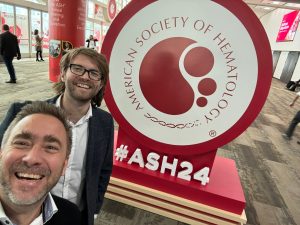
From 06th to 10th December 2024, Jan, Charles, Catherine and Cheryl attended the 66th ASH Annual Meeting and Exposition in San Diego (USA). ASH‘s annual meeting typically attracts over 30,000 participants, including clinicians, researchers, and healthcare professionals focused on hematology across the world, including a rather homeopathic but energetic number of patient advocates. 

Before leaving, we had the chance to meet virtually with our members and supporters who couldn’t attend the congress in person.

On Saturday 7th December, Jan Geissler (ALAN Chair) gave an update to ALAN Members and Supporters on the  2024 plans and on planned 2025 activities.  We are happy to share the presentation (if not already received) – just let us know by email at samantha@acuteleuk.org

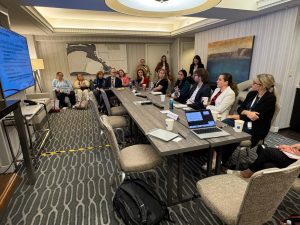
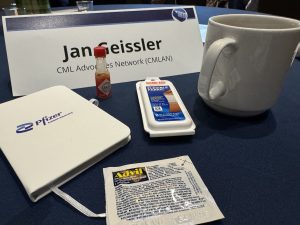
First, we met with our colleagues from other advocacy organizations at the Pfizer ASH Patient Advocacy breakfast and working session. 

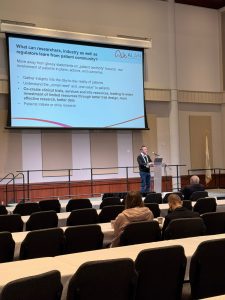
The congress was also the opportunity to meet with some of our members and sponsors but also our advocacy colleagues. We also attended the ELN meeting, and Jan presented on behalf of ALAN regarding the why, when and how to involve patients in clinical development. 

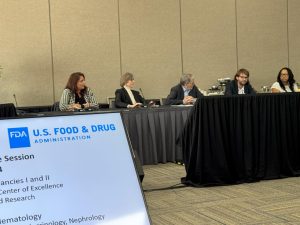
We also attended the FDA Advocacy session

Words from Charles: 

“To my mind, ASH 2024 – my first as a patient advocate – made positive steps towards incorporating patient and caregiver perspectives into clinical practice. It was a pleasure to meet some of ALAN’s sponsors and representatives from the pharmaceutical industry, all of whom were keen to advance acute leukemia patient and carer voice within their work.  
Additionally, members of the European Hematology Association (EHA) adolescent and young adult (AYA) taskforce met for an informal session to outline our future direction as a group and draw up tactics for collecting AYA patient views.
Productive meetings with colleagues from other groups and from industry and informative sessions on self-reported health studies and leveraging artificial intelligence to improve the patient/carer experience capped off a fascinating weekend which has given me a clear idea of how to put ALAN’s 2025 strategy into practice.”


Until we meet again, the ALAN team wishes you a wonderful holiday season !